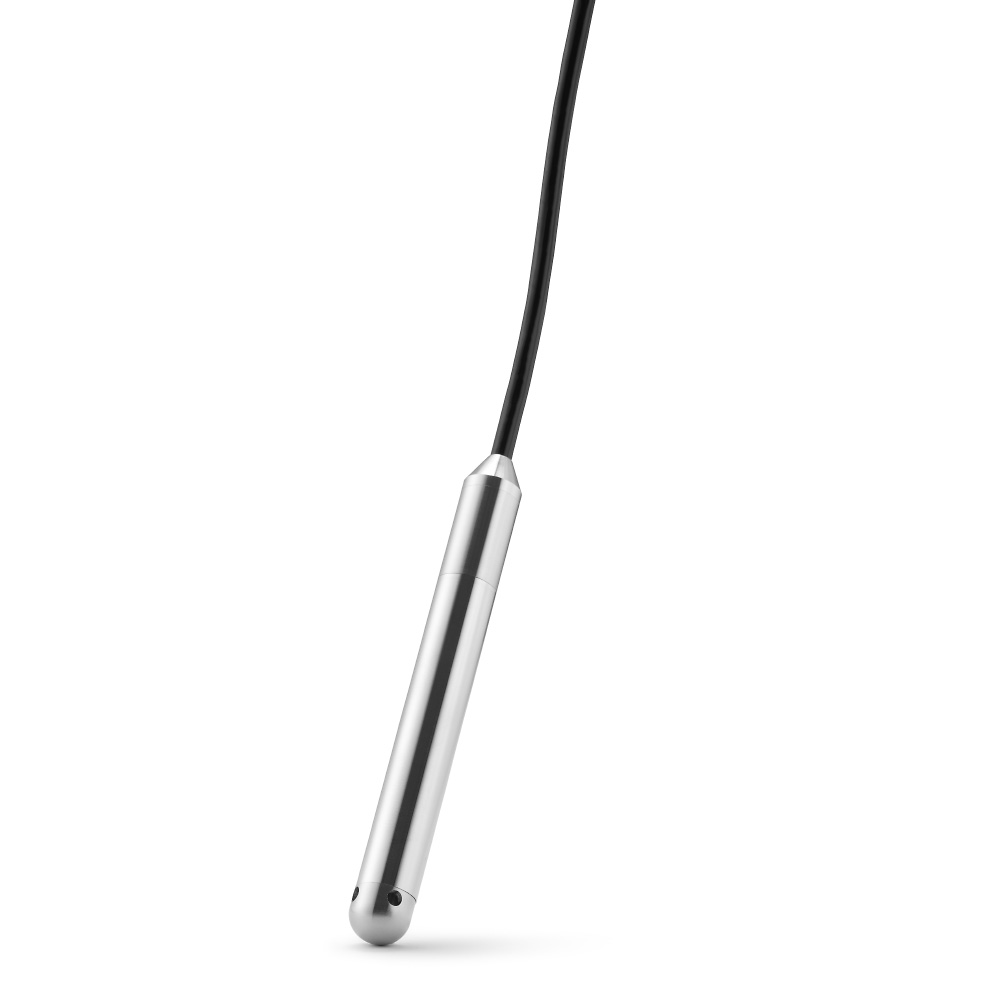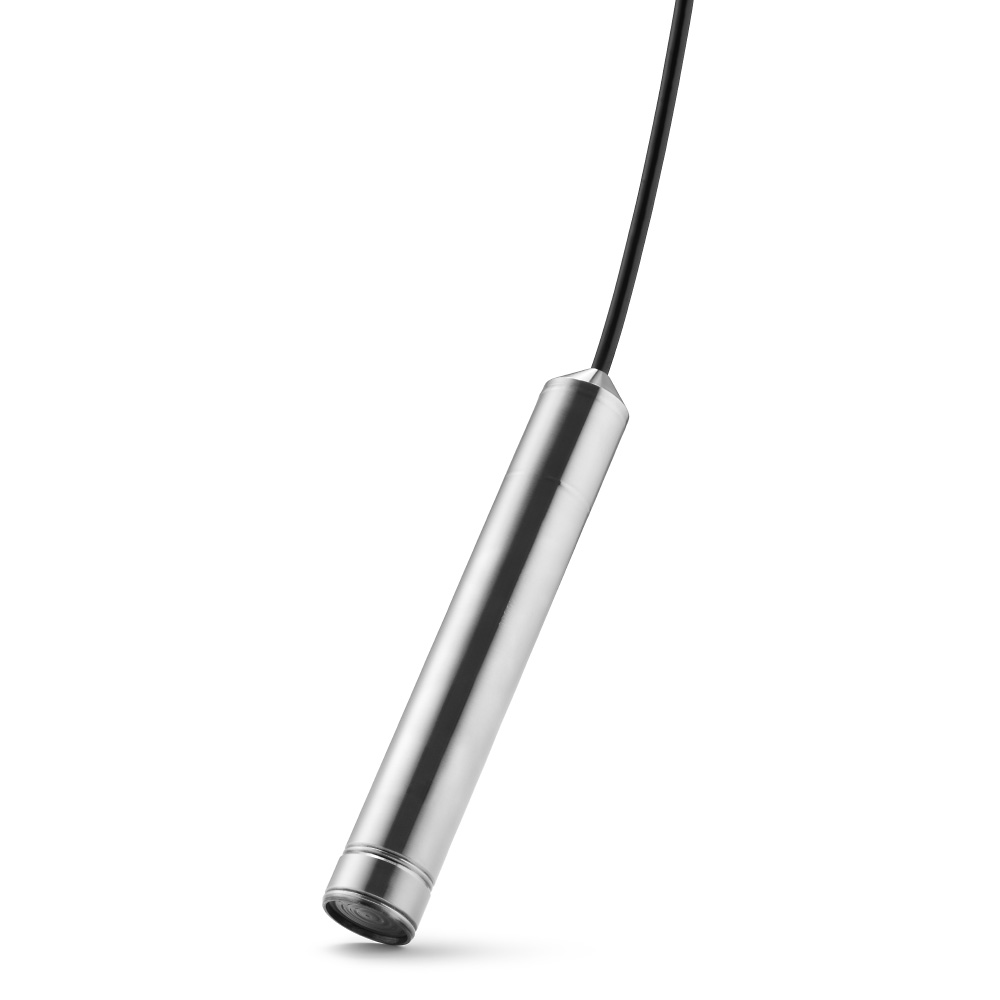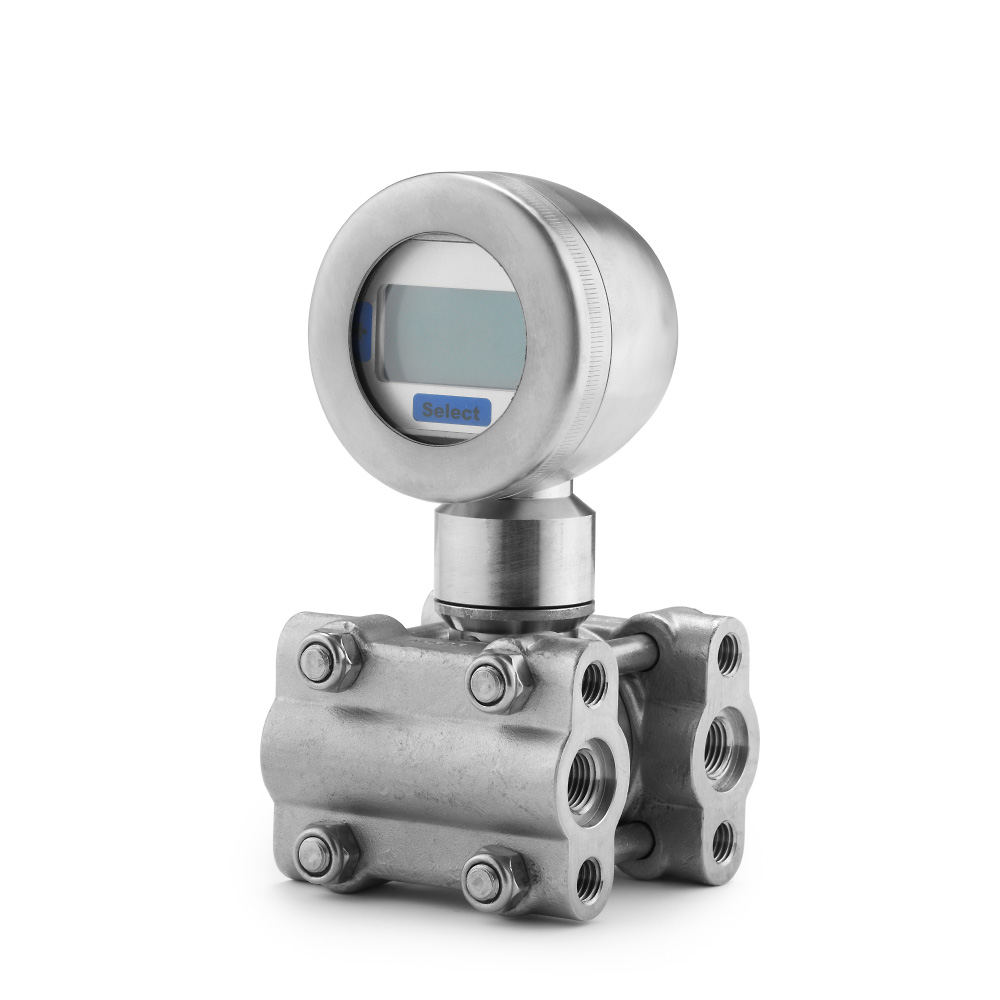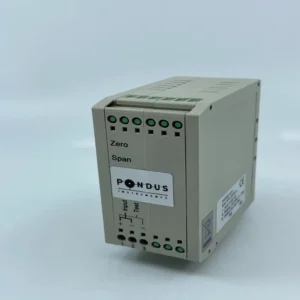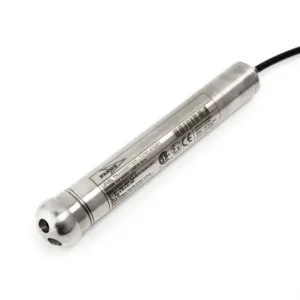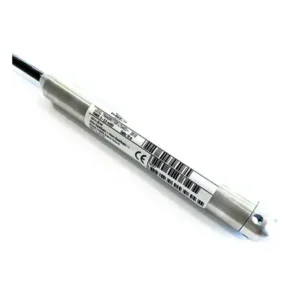
A differential pressure (DP) transmitter is an instrument that measures the difference between two pressures (high side “+” and low side “–”) and converts that difference into a standard signal (typically 4–20 mA, with optional digital comms) for indicating, controlling, or calculating related variables like level and flow. In practice, it uses two process connections and an internal sensing system to output ΔP = P_high – P_low.
How it works (in plain terms)
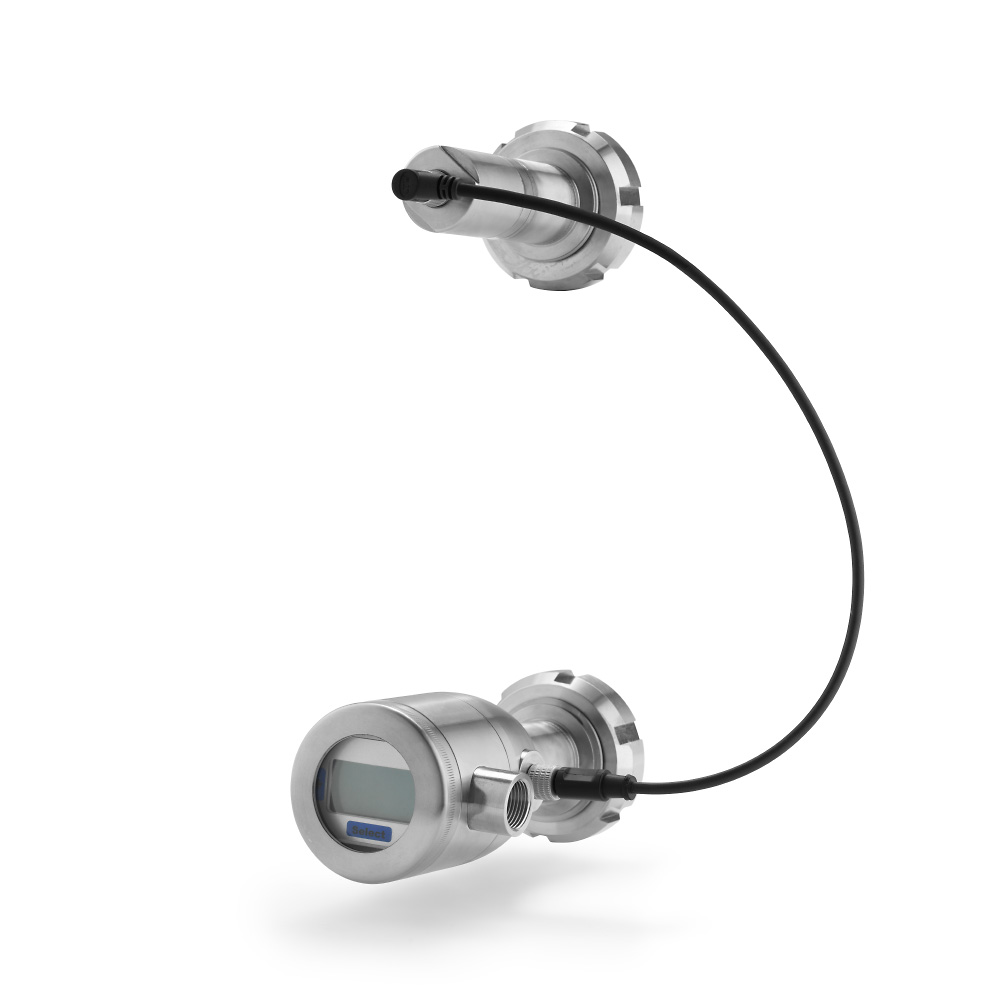
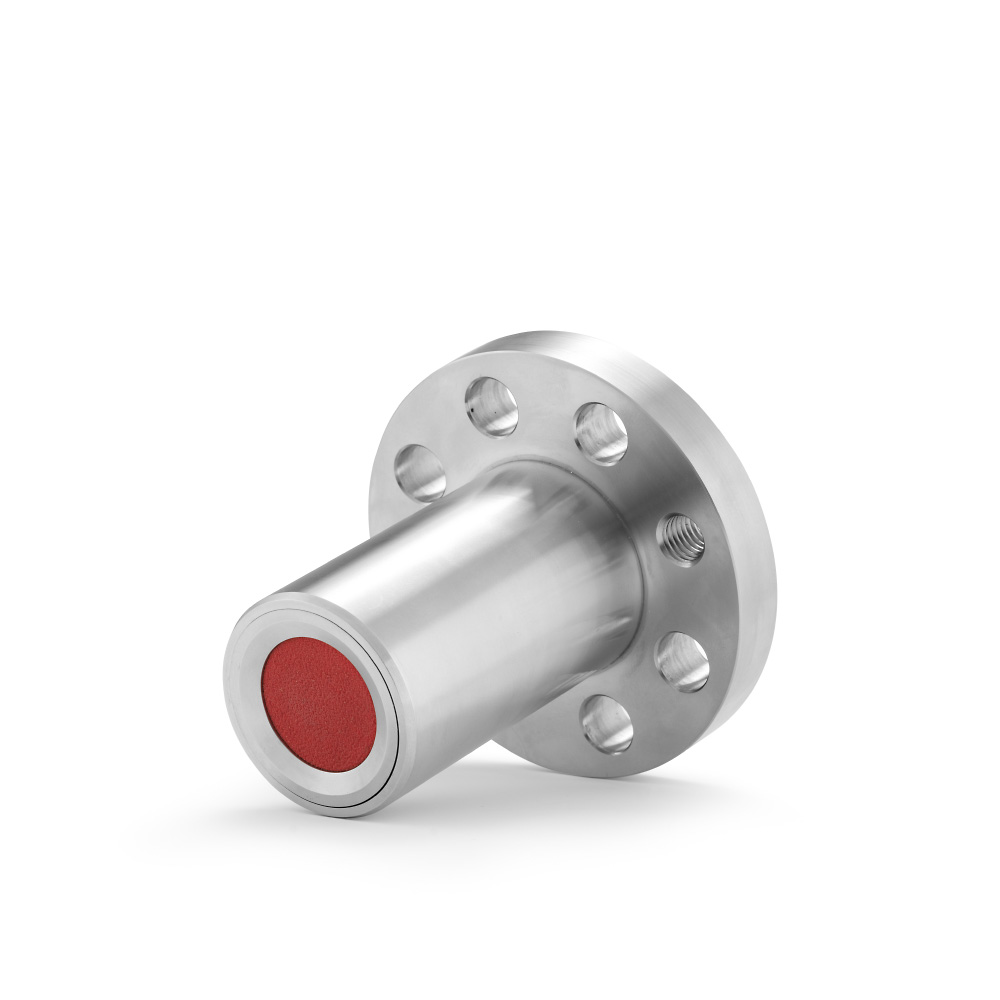
A modern DP transmitter such as the Pondus PT600 series uses a central piezoresistive sensor connected to two oil-filled membrane chambers via capillary tubes. Each process pressure acts on its own thin separating membrane; their movement transfers hydraulic pressure through silicone oil to the sensor bridge. A dedicated overload membrane protects the sensing element by mechanically limiting the differential at the sensor during surges—so even if the field differential spikes, the sensor doesn’t see destructive ΔP. The electronics then temperature-compensate and linearize the signal before sending it on the 4–20 mA/HART/MODBUS output.
What you use it for
- Level in pressurized tanks: Measure hydrostatic head on the “+” side and connect the tank gas space to the “–” side; the transmitter outputs liquid head only (true level). Pondus’ hygienic DP variant (PT60 type T) is designed specifically for this, with sanitary connections and guidance on capillary effects.
- Filter monitoring: Connect upstream to “+” and downstream to “–” to track clogging via rising ΔP. (General PT600 DP principle.)
- Flow measurement: With a primary element (orifice, venturi, etc.), ΔP ∝ flow²; the transmitter can apply square-root extraction if desired.
Key capabilities you’ll typically want
- Accuracy and stability: PT600 DP offers high accuracy and factory temperature compensation; total drift across –10…+70 °C is tightly managed.
- Wide turndown: Up to 100:1 span turndown lets one device cover many ranges.
- Overload robustness: Single- and double-sided overload protection up to 150 bar helps in fast-changing processes.
- Communication: Analogue 4–20 mA plus HART and MODBUS/RS-485 for set-up and data access.
- Autozero: A simple push-button or two-pin short sets the correct zero after installation, cleaning, or mechanical impact—no DCS offset needed. (“Incorrect zero point is history.”)
- Environmental options: IP67 stainless housings, hygienic design, and optional lightning protection tested to IEC 61643-1 Class 1 (5 kA, 10/350 µs).
Choosing the right differential pressure transmitter
Application fit
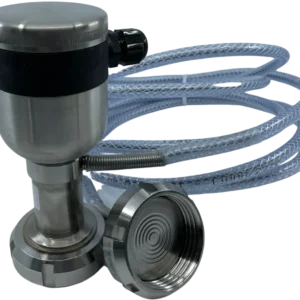
- Hygienic/food & life science: Look for sanitary connections (SMS, Clamp, DIN) and clean-in-place friendly diaphragms—e.g., (PT60 type T) for pressurized tank level. It explains capillary-tube thermal effects and mounting dependence, both important in sanitary setups.
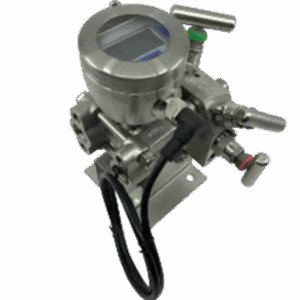
- General industrial DP: For filters, ducts, and vessels, (PT600RSH) provides modular process connections (threaded, flanged, hygienic), high overload tolerance, and digital comms.
Range and materials
- Select a span that covers normal ΔP with headroom, using turndown if needed. PT600 DP ranges from 0–60 mbar up to 0–8 bar differential.
- Choose diaphragm materials for media compatibility (316L, Duplex, Hastelloy C-276; gold-plated when free hydrogen may exist).
Safety and approvals
- Check for CE (EMC/PED), and if required, Ex ia intrinsic safety (ATEX/IECEx options available on selected models). Note mutual exclusivity with lightning protection in certain variants.
Installation best practices
- Impulse lines / capillaries: Keep lines short, equalize temperatures, and insulate where ambient swings occur; differences can cause apparent drift. (Detailed guidance for hygienic capillaries in type T datasheet.)
- Zeroing after mounting: Because elevation and orientation can shift zero, perform Autozero in final position with process at the known “zero” condition.
- Display and local configuration: A (D10RSH display) can show engineering units and configure the transmitter locally; it also supports remote-sensor DP calculation in two-sensor setups.
Related Pondus solutions (gentle pointers)
- Process DP: (PT600RSH) — modular DP transmitter with HART/MODBUS, overload protection, lightning option, and Autozero.
- Hygienic tank level DP: (PT60 type T) — sanitary DP for level on pressurized vessels, with clear notes on thermal and static pressure effects.
Conclusion
A differential pressure transmitter measures the pressure difference between two points and outputs a reliable signal for level, flow, and equipment-health monitoring. Choosing the right DP device means matching range, materials, connections, and communication to your process—and installing with attention to capillaries, temperature, and zeroing. For hygienic tanks or general process DP, Pondus offers practical options with straightforward setup and maintenance.
Have more questions or need guidance on choosing the right pressure transmitter? Get in touch with Pondus Instruments, and we’ll help you find the solution that best fits your needs.