If you work with P&IDs (piping and instrumentation diagrams), you’ve probably seen instrument bubbles marked PT, PIT, or PDT and wondered what they mean.
The important thing to know is this: on a P&ID, the “pressure transmitter symbol” usually does not show what the physical instrument looks like. Instead, it shows what the instrument does and how it fits into the process or control loop.
In this guide, we’ll explain what a pressure transmitter symbol represents, how to read tags like PT, PIT, and PDT, and what to verify before selecting or ordering a transmitter.
What does a pressure transmitter symbol mean on a P&ID?
On a P&ID, instruments are shown as standardized symbols that help engineers, technicians, and operators understand how a system works.
A pressure transmitter callout usually includes an instrument bubble, a tag such as PT-101, surrounding signal and connection information, and references to the instrument index or datasheet.
The symbol is there to communicate function, not product appearance.
It is also important to remember that symbol conventions can vary between companies, plants, and projects. Standards such as ISA 5.1 provide a common structure, but the project legend and instrument index always take priority.
How to read instrument tags like PT, PIT, and PDT
A common way to read instrument tags is simple:
The first letter identifies the measured variable.
The following letter or letters describe the function.
The number identifies the loop or tag number.
Example: PT-101
P = Pressure
T = Transmitter
101 = Unique loop or tag number
So PT-101 means a pressure transmitter with the tag number 101.
That number matters because it often links the transmitter to other devices in the same loop, such as a controller, indicator, or control valve.
Common pressure instrument tags on P&IDs
PT — Pressure Transmitter
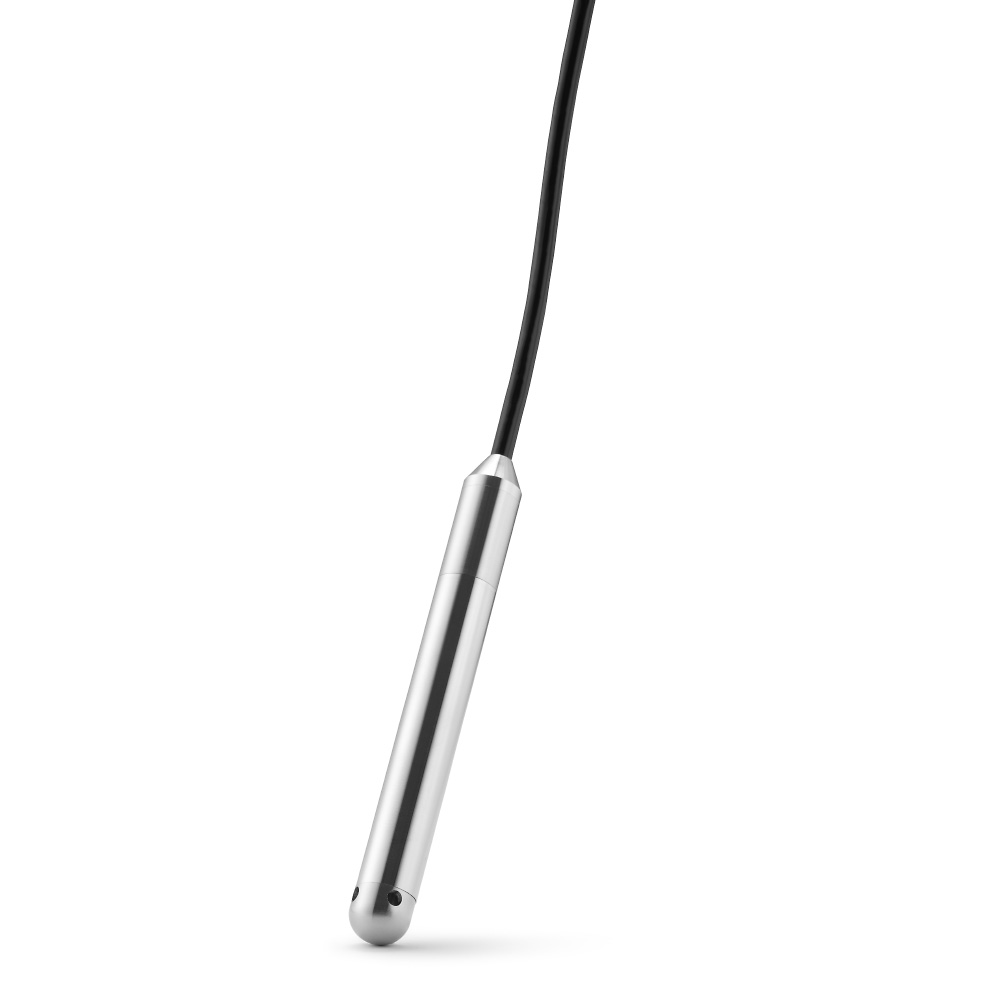
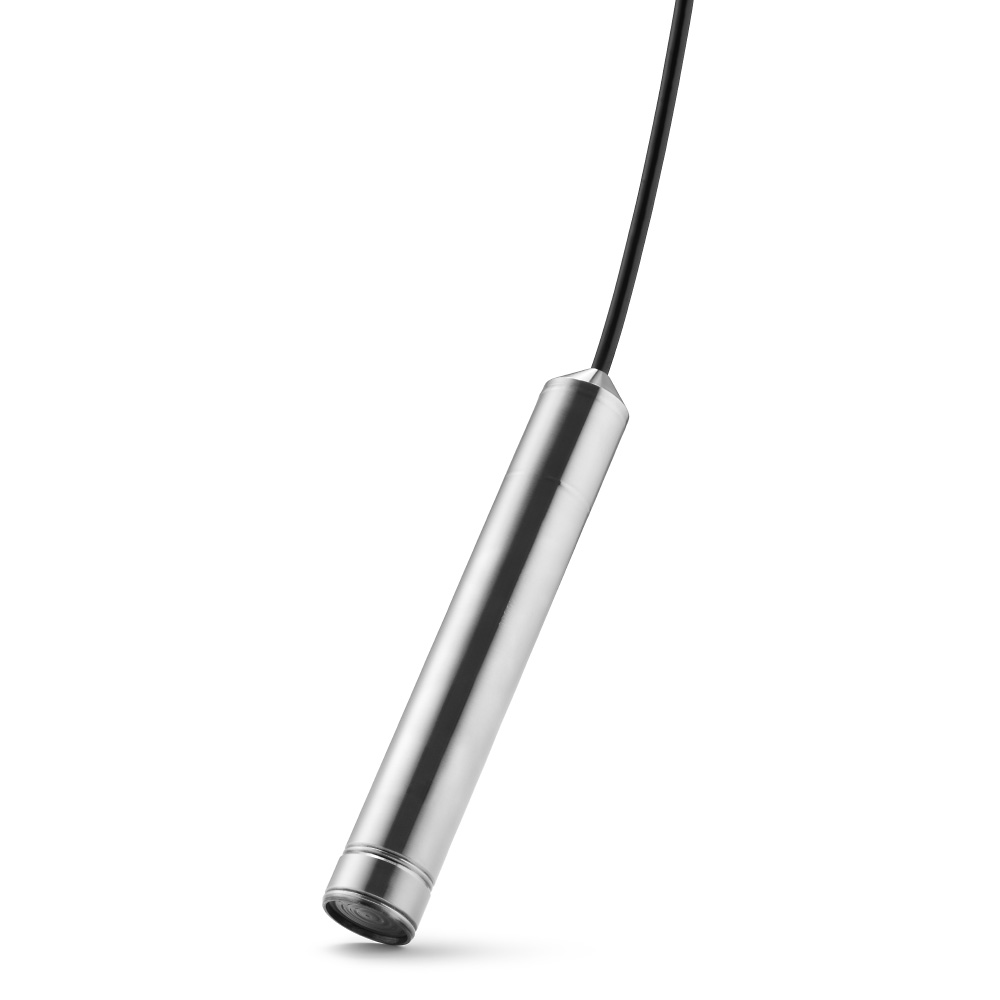
A PT measures pressure at one point and transmits that value as a signal to the control system.
Typical uses include pressure monitoring to PLC or DCS, continuous process control, and alarm or trending functions.
PIT — Pressure Indicating Transmitter
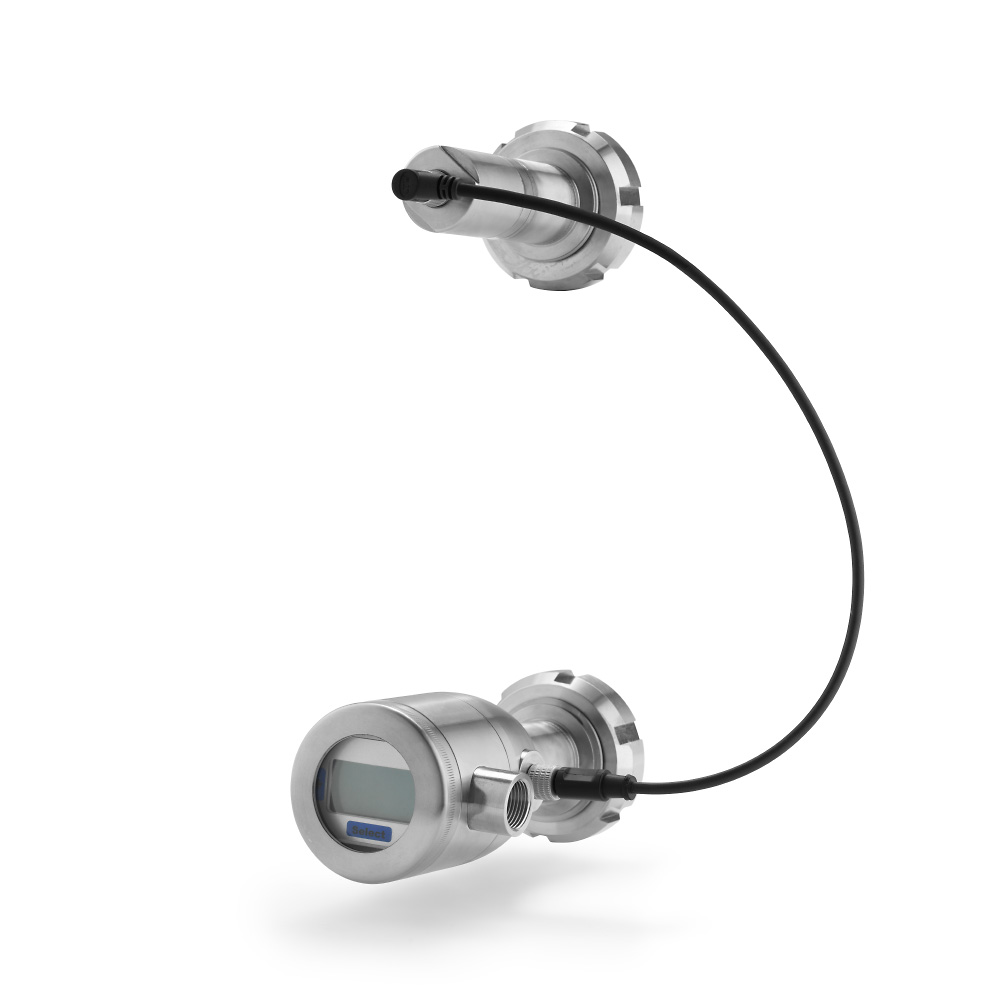
A PIT is a pressure transmitter that also provides indication.
In practice, that may mean a local display on the instrument itself, or a pressure value shown to the operator in the control system.
The exact meaning depends on your plant or project standard.
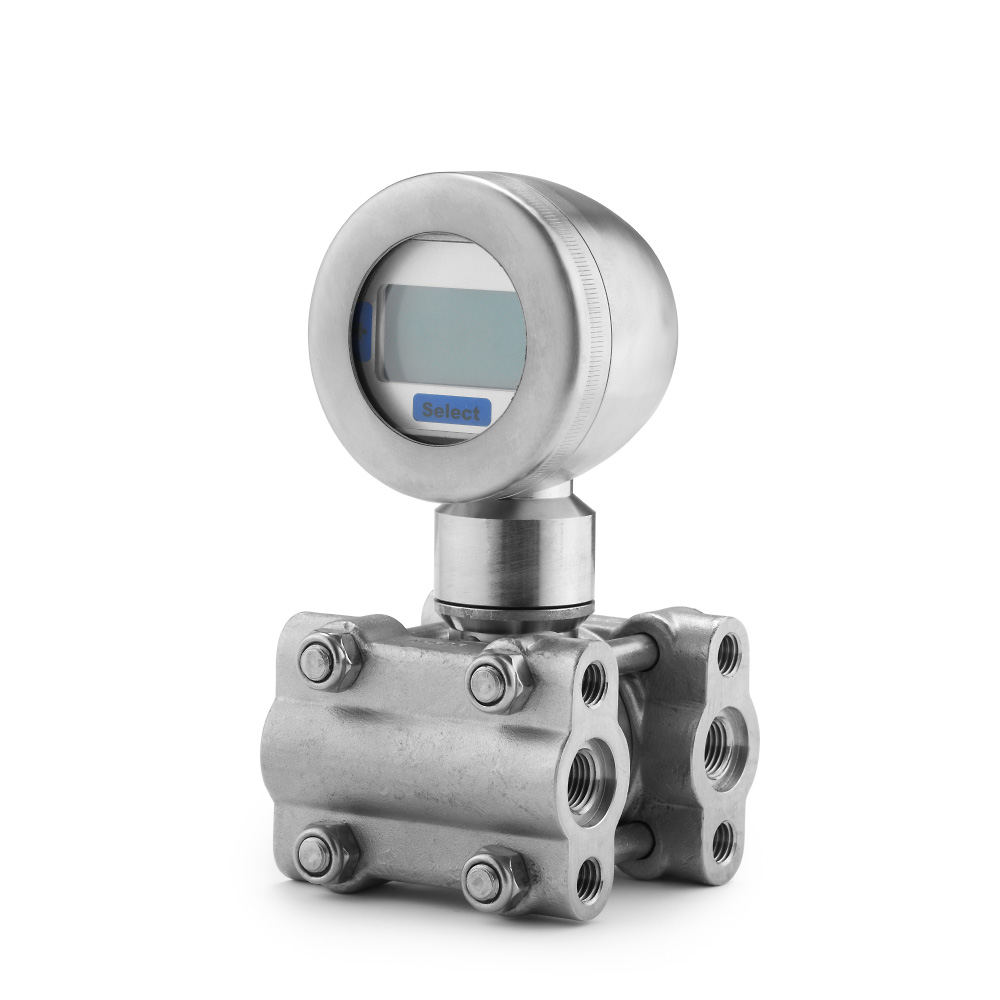
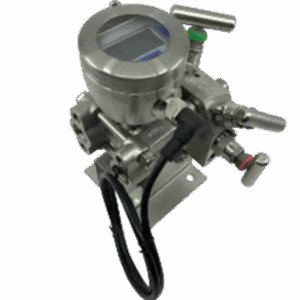
PDT — Differential Pressure Transmitter
A PDT measures the difference in pressure between two points.
These transmitters are common in applications such as filter monitoring, flow measurement across an orifice or venturi, and level measurement in pressurized tanks.
A differential pressure transmitter has a high side (+) and a low side (–), and those connections must be assigned correctly.
Related tags that are often confused with PT
Here are a few common pressure-related tags that are easy to mix up:
PT means Pressure Transmitter and is used for continuous pressure measurement.
PIT means Pressure Indicating Transmitter and is used for pressure measurement with indication.
PDT means Differential Pressure Transmitter and is used for DP measurement in flow, level, or filter monitoring.
PI means Pressure Indicator and is used for display only, without a transmitter output.
PS means Pressure Switch and is used for discrete high or low pressure switching.
Don’t just read the letters — read the context too
The tag itself tells you a lot, but not everything.
Instrument location
The bubble style or line style may show whether the instrument is field-mounted, panel-mounted, accessible to an operator, or located in the control room.
These conventions vary, so always check the project legend.
Signal type and connections
The lines around the symbol may show how the signal is transmitted, for example by electrical signal, pneumatic signal, impulse tubing, or digital communication.
Again, these line styles are not always identical between projects, which is why the legend matters.
What to verify before ordering a pressure transmitter
A P&ID tag tells you the instrument’s function, but it usually does not contain enough information to buy the correct device.
Before procurement, confirm the following:
1. Pressure reference type
Make sure you know whether the application requires gauge pressure, absolute pressure, or differential pressure.
This is one of the most important checks.
2. Measuring range
Confirm the normal operating pressure, maximum pressure, and any overload or surge conditions.
Choosing the wrong range can lead to poor accuracy or instrument failure.
3. Process connection
The P&ID symbol does not usually tell you the exact process connection.
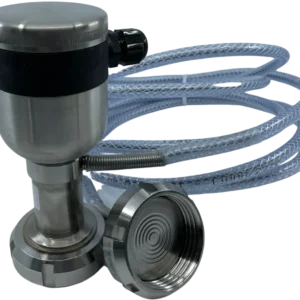
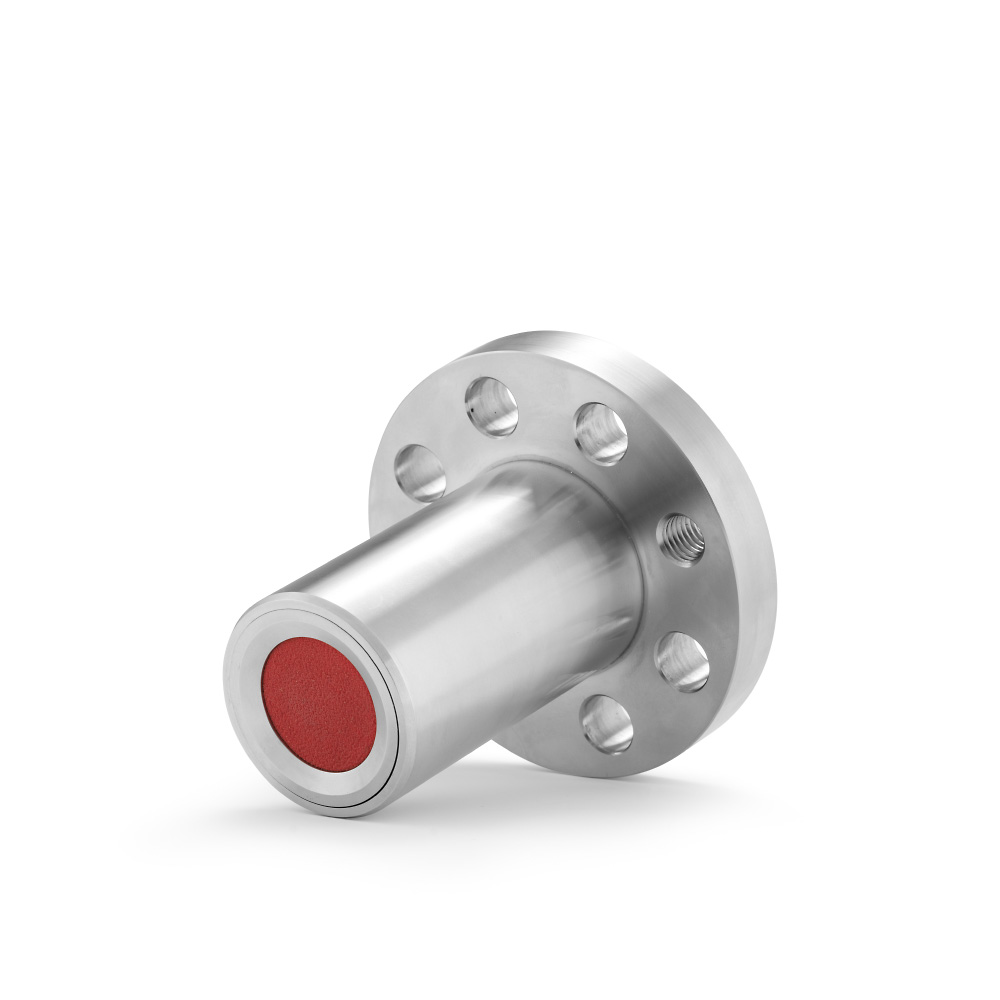
You may need to confirm things like thread type, thread size, flush diaphragm or extended diaphragm, and suitability for viscous or aggressive media.
4. Output signal and communication
Most modern transmitters use 4–20 mA and may offer optional digital communication such as HART or Modbus.
Make sure the transmitter matches the plant’s control system and configuration tools.
5. Environmental and approval requirements
Also verify IP rating, ambient temperature limits, vibration resistance, hazardous-area approvals, and washdown or CIP requirements.
Common mistakes to avoid
Mistake 1: Treating PT like a pressure gauge
A PT is not just a gauge. It is a transmitter, meaning it sends a continuous signal to a control system.
If you only need visual indication, the tag may be PI instead.
Mistake 2: Confusing PT with PDT
A PT measures pressure at one point.
A PDT measures the difference between two points.
That means a PDT requires correct high-side and low-side connections.
Mistake 3: Assuming all P&IDs use the same conventions
Even though ISA 5.1 gives a common framework, companies and projects often use their own conventions.
Never rely on the tag alone if the legend, instrument index, or datasheet says otherwise.
Best practice: Always cross-check these three documents
When interpreting a pressure transmitter symbol, use all three of these together:
The P&ID legend explains symbol and line conventions.
The instrument index identifies service, loop, and tag details.
The datasheet confirms range, materials, connection, output, and approvals.
That combination gives you the full picture.
Conclusion
A pressure transmitter symbol on a P&ID is best understood as a combination of the instrument bubble, the tag letters such as PT, PIT, or PDT, the loop number, and the context around the symbol.
Once you understand that, it becomes much easier to move from the drawing to the correct instrument specification.
If you’re selecting a pressure transmitter, always confirm the pressure type, measuring range, process connection, and output signal before ordering.
Need help choosing the right pressure transmitter for your application? Whether you need a gauge, absolute, or differential pressure transmitter, the team at Pondus Instruments can help you verify connections, output options, and application requirements.