Core principle
At the heart of most industrial transmitters is a piezoresistive bridge bonded to a diaphragm system. Process pressure acts on a thin metal diaphragm; the diaphragm’s microscopic movement is transferred via a very small volume of silicone oil through a capillary to the silicon sensor. The strain changes the bridge resistance, producing a signal proportional to pressure; using a fill fluid minimizes diaphragm travel and protects the sensor from transient surges.
What the electronics do
Modern transmitters digitize the bridge signal, simultaneously infer sensor temperature from bridge resistance, and apply factory calibration to correct temperature drift and non-linearity. The final value is published on a 4–20 mA loop and digitally via HART and/or MODBUS; optional local displays can show engineering units and allow configuration.
– Example products that use this architecture: (“PT600″linkhere) and its DP variant (“PT600RSH”linkhere).
Which “zero” the sensor uses: gauge, absolute, or differential
- Gauge pressure: referenced to ambient atmosphere.
- Absolute pressure: referenced to vacuum.
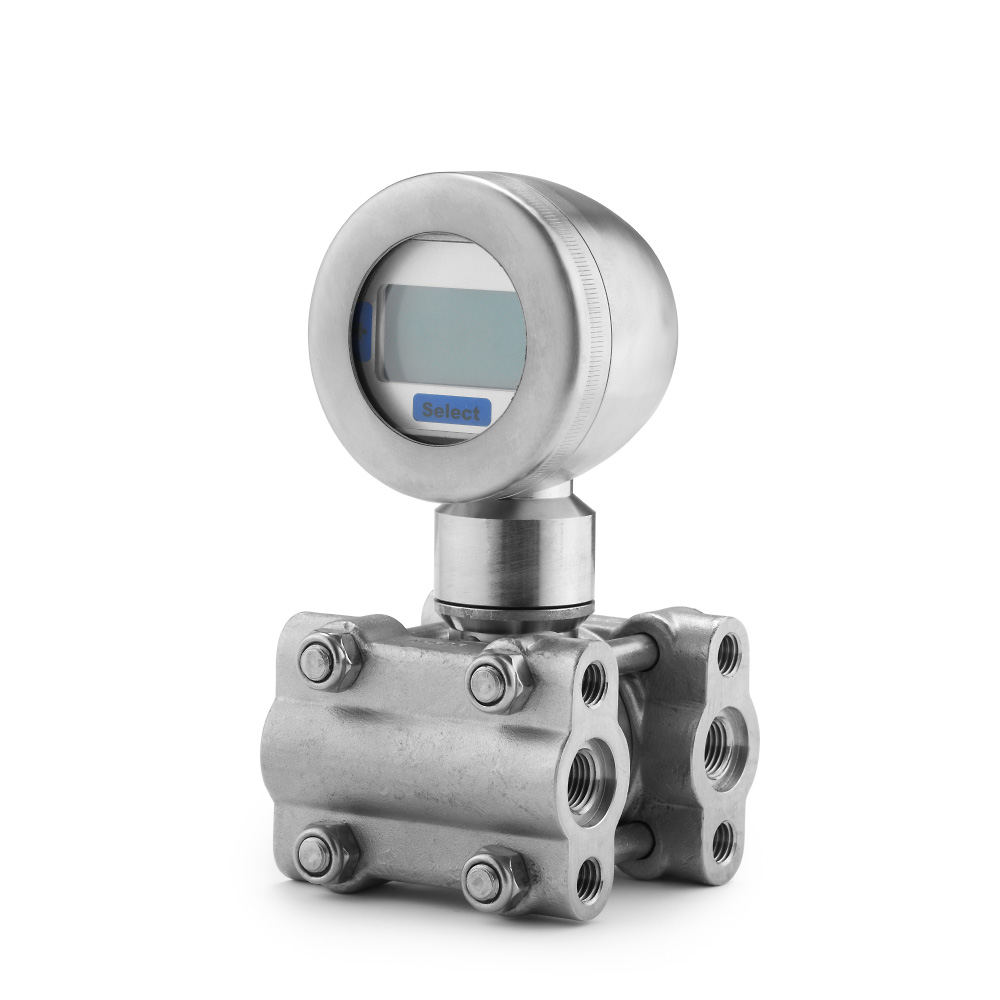
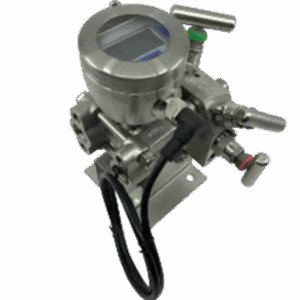
- Differential pressure (DP): measures the difference between two points. The PT600 platform supports all three (the DP version is PT600RSH).
Differential pressure, briefly
In a DP transmitter such as (“PT600RSH”linkhere), two process diaphragms feed a central sensor via dual capillaries. An additional overload membrane limits the actual sensor differential during spikes: if one side over-ranges, a separating diaphragm seats on a profiled surface while the overload membrane keeps moving—protecting the sensor from damage and ensuring stability.
Submersible level variants
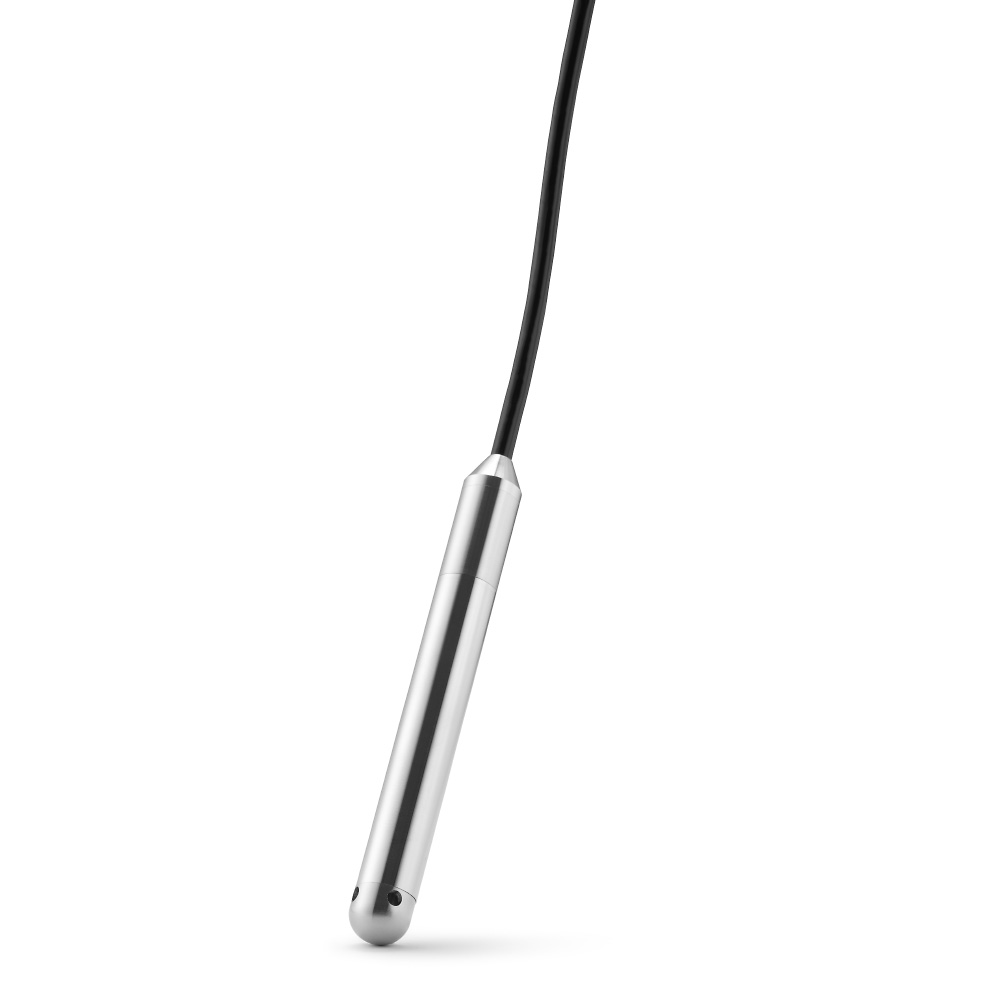
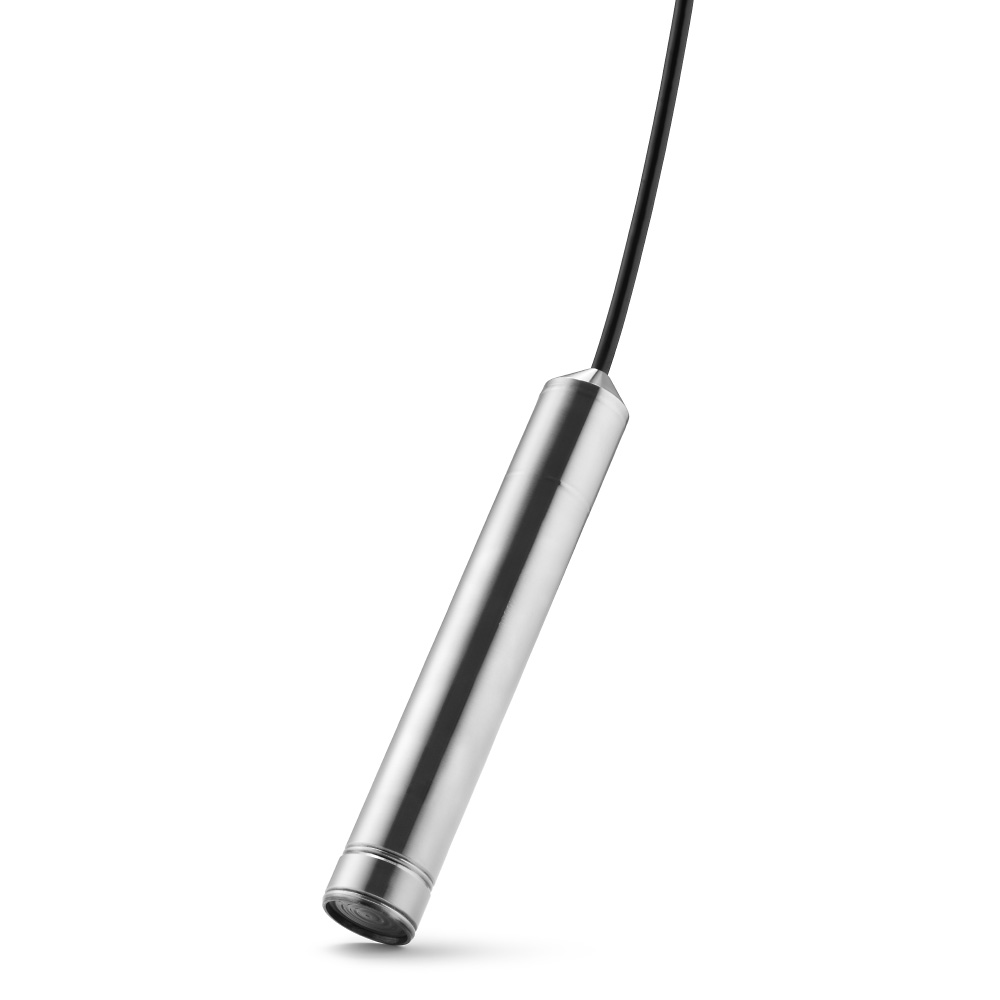
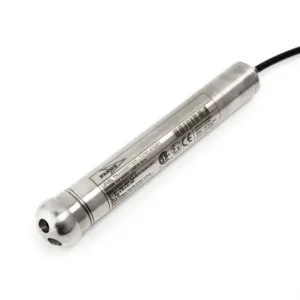
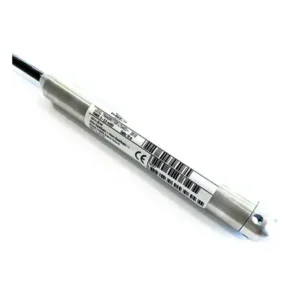
For level in pits and tanks where a threaded port isn’t practical, a submersible probe measures hydrostatic head:
- LT10 two-sensor design uses an absolute sensor in the probe and a second absolute sensor in the head electronics to subtract atmospheric variation—removing the need for a vent tube in the cable and improving long-term stability.
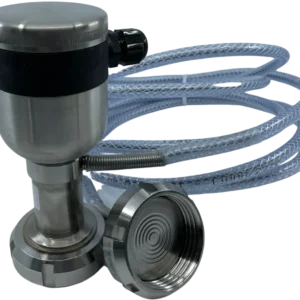
- LT100 uses a robust embossed diaphragm and (in gauge versions) a small vent within the cable to reference atmosphere; microcomputer electronics provide 4–20 mA + HART and optional lightning protection.
Products: (“LT10″linkhere), (“LT100″linkhere).
Signal interfaces and local displays
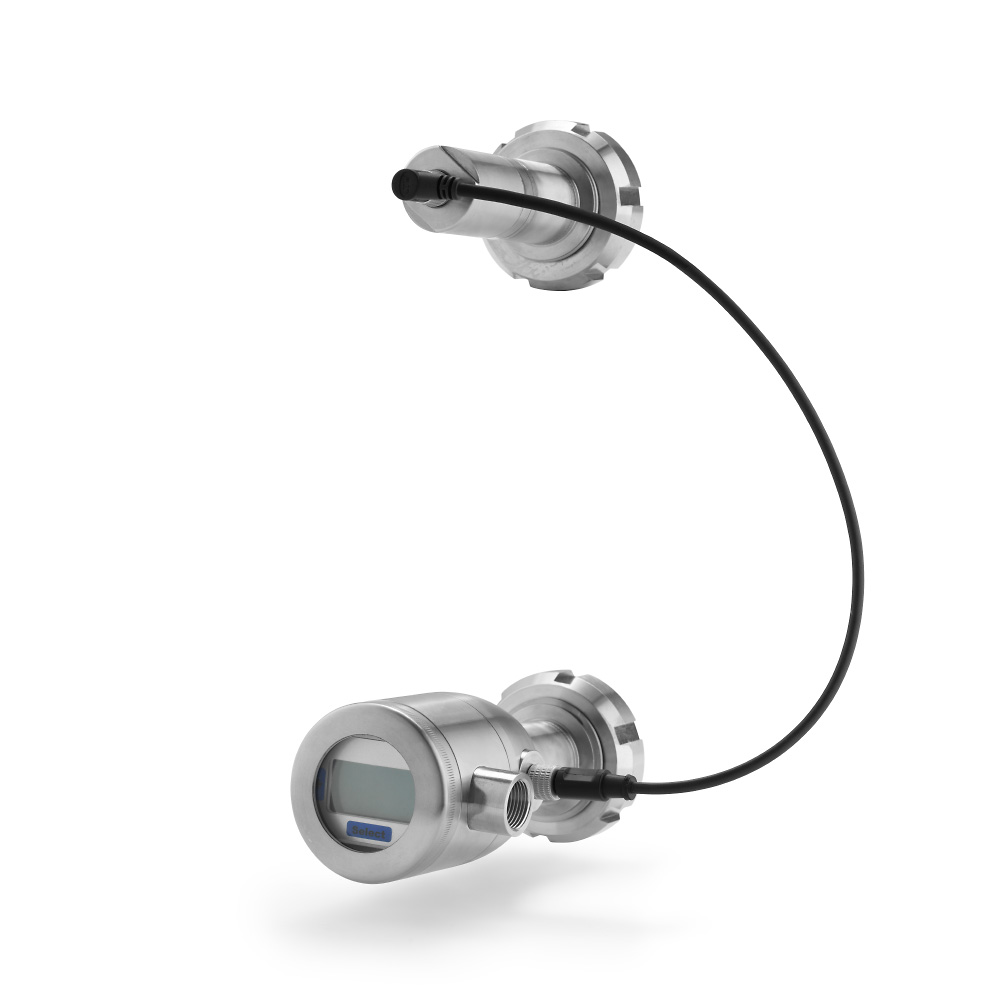
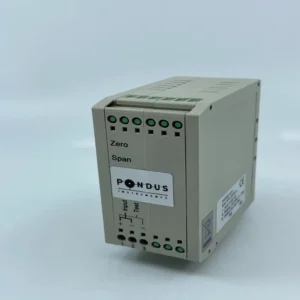
Most Pondus transmitters provide 4–20 mA plus digital: HART and/or MODBUS/RS-485. Local displays (D10RS/D10RSH) can show mbar, kPa, or mH₂O and are usable for configuration; D10RSH can also compute DP when paired with a remote sensor.
Practical maintenance: autozero
Mechanical handling, mounting orientation, or cleaning can shift zero slightly. Autozero lets you re-establish 4 mA at the installation reference—by pressing a button or briefly shorting two pins—no laptop required.
Examples: built into (“PT600″linkhere), (“PT600RSH”linkhere) and compact models like (“PT03RS”linkhere).
Environmental protection
Lightning-protected variants withstand Class 1 IEC 61643-1 test pulses (5 kA, 10/350 µs) when properly grounded—useful on long cable runs or outdoor tanks.
Installation details that matter
- Capillary temperature effects (hygienic DP): with a remote minus diaphragm on a 2.5 m capillary, a fast 10 °C ambient change can shift ~0.2 kPa until temperatures equalize; static-pressure steps can momentarily couple ~0.4 kPa per 100 kPa change. Good practice is to insulate and secure the capillary and to zero after mounting. These effects are inherent to any fluid-filled remote system and are documented for PT60 type T.
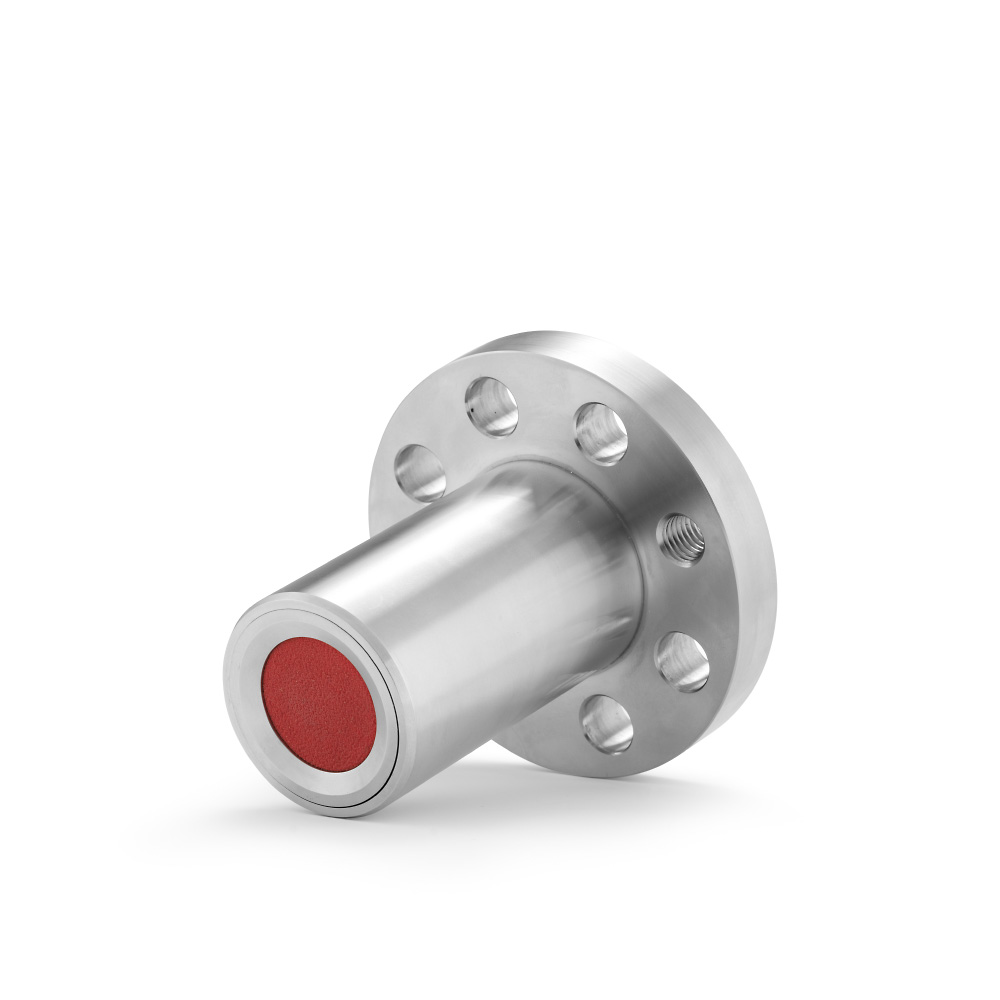
- Material choice: diaphragms are available in Hastelloy C-276, duplex, 316L, tantalum, or gold-plated for hydrogen service—select to match media and cleaning regime.
Products to consider for these scenarios: (“PT60 type T”linkhere) for hygienic DP with remote minus, and (“PT600″linkhere) for direct-connected gauge/absolute with minimal fill volume (excellent CIP behavior).
Summary
A pressure sensor translates diaphragm deflection into an electrical signal via a piezoresistive element, then smart electronics compensate and communicate a calibrated value. Variants (gauge/absolute/DP, submersible, hygienic) adapt that same core physics to different installations, while features like Autozero, local displays, and surge/lightning protection simplify life-cycle use in the field.
Have more questions or need guidance on choosing the right pressure transmitter? Get in touch with Pondus Instruments, and we’ll help you find the solution that best fits your needs.