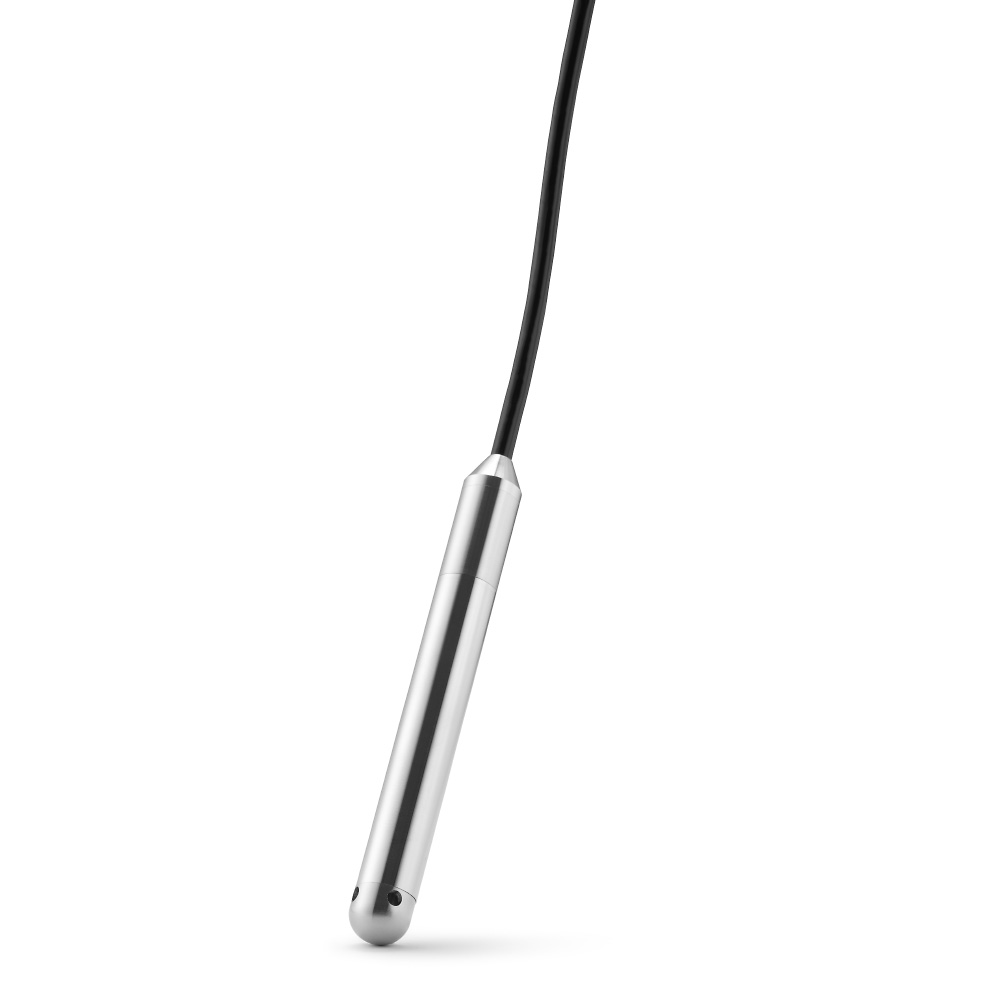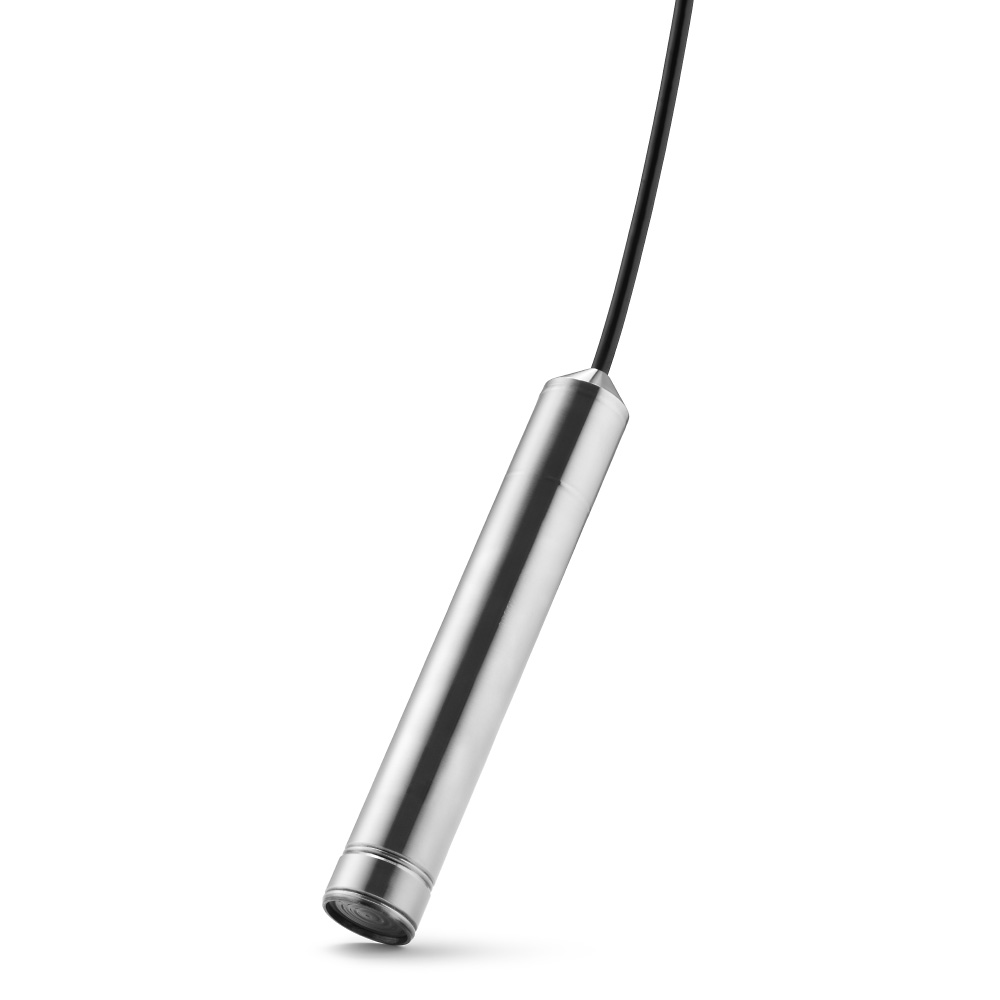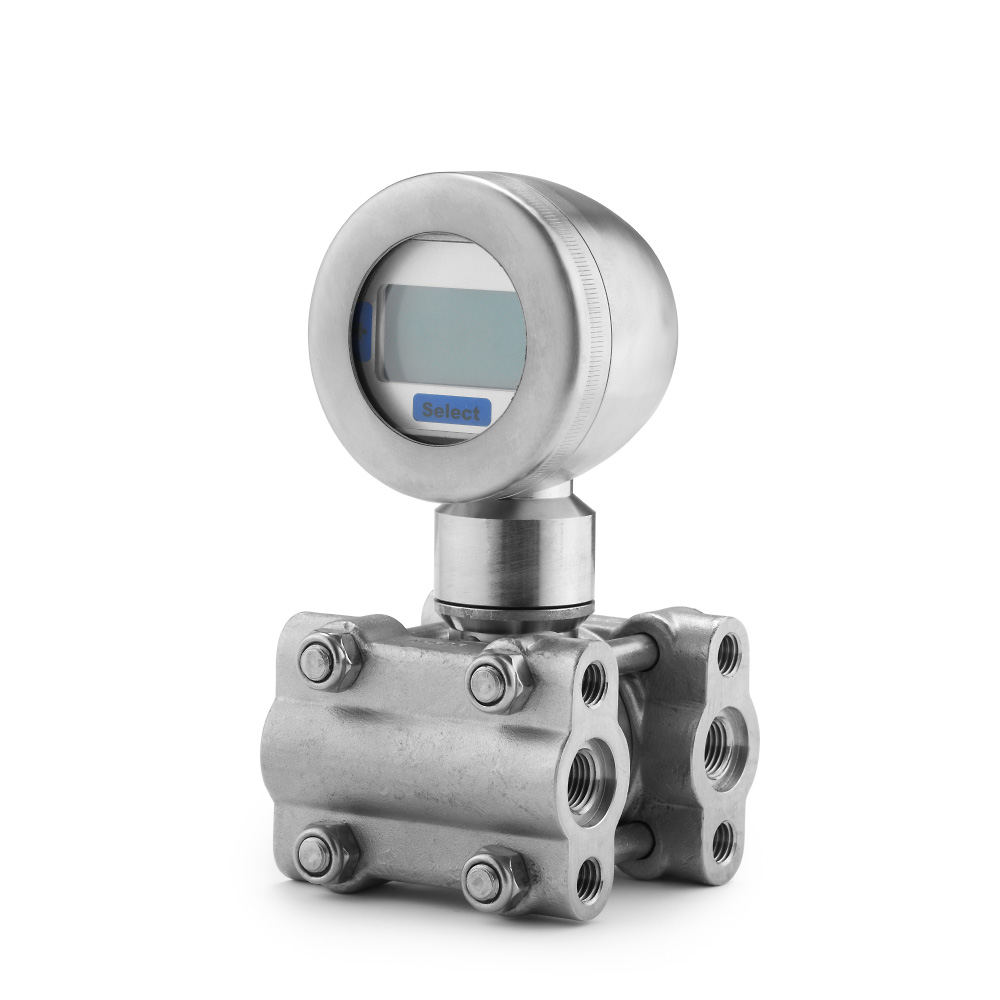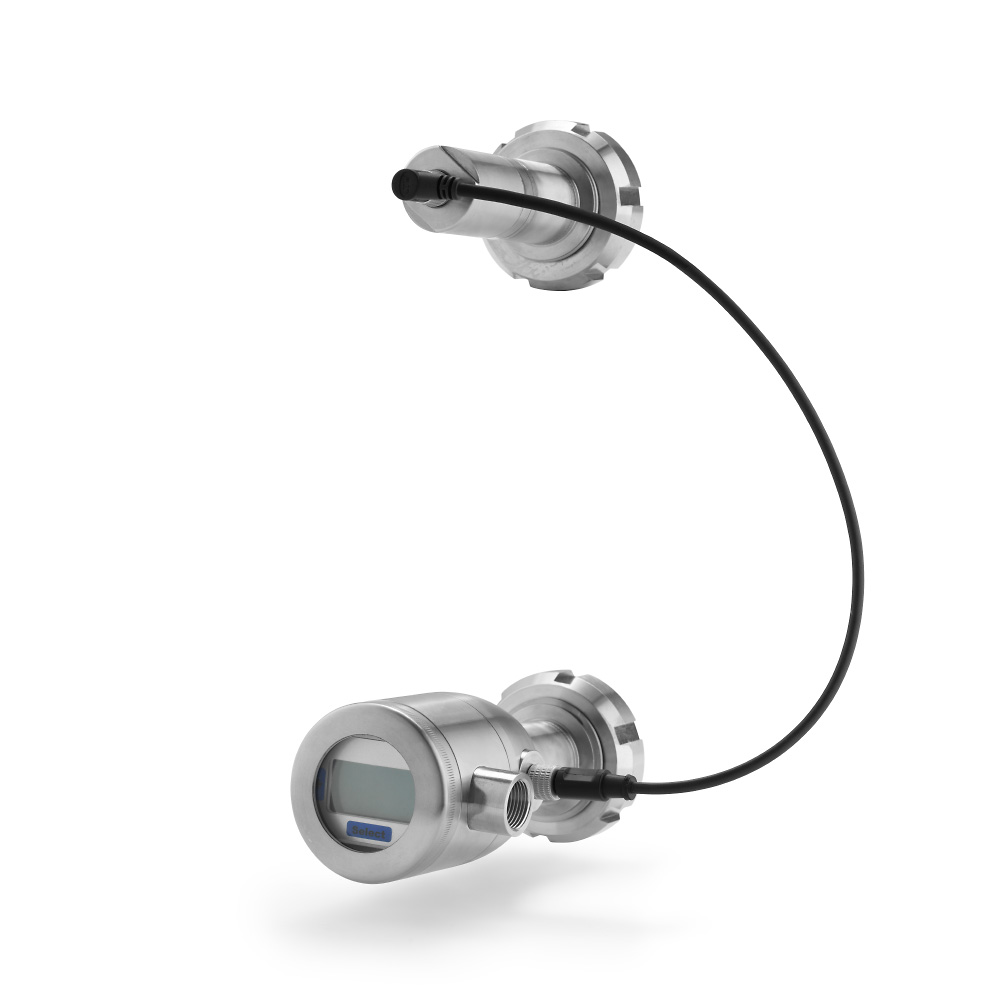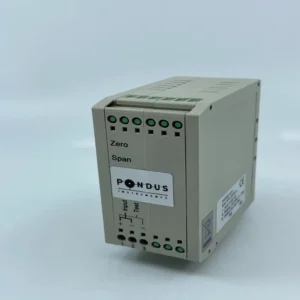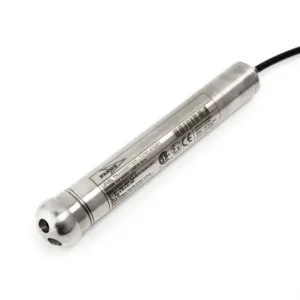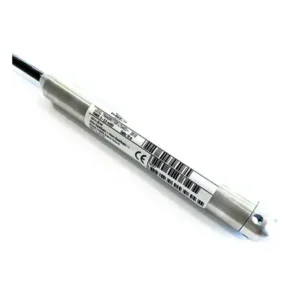
A high-temperature pressure transmitter is a pressure sensor built to read hot media (typically ~120–150 °C) while protecting its electronics and accuracy; in Pondus Instruments’ range, the PT600 family and the hygienic PT60 Type T handle continuous media temperatures up to 150 °C when installed correctly.
What “high temperature” means in practice
In industrial pressure measurement, “high temperature” commonly begins above the point where standard elastomers, cables and fill systems start to drift—roughly 100–120 °C. Solutions rated for continuous 150 °C media are suitable for most steam, hot-oil, and CIP/SIP applications in food, pharma, and chemicals. Pondus’ PT600 platform is specified for continuous media temperatures up to 150 °C, with a design that minimizes temperature influence by avoiding external pressure intermedia.
Key selection criteria
Temperature handling and stability
- Continuous media rating: Verify the transmitter’s continuous temperature limit, not just short-term peaks. PT600 and PT60 Type T are specified for 150 °C continuous service.
- Low temperature drift: Digital compensation keeps total error low across –10…+70 °C ambient; PT600 lists 0.1 % of max range (0.075 % option).
Process connection and hygienic design
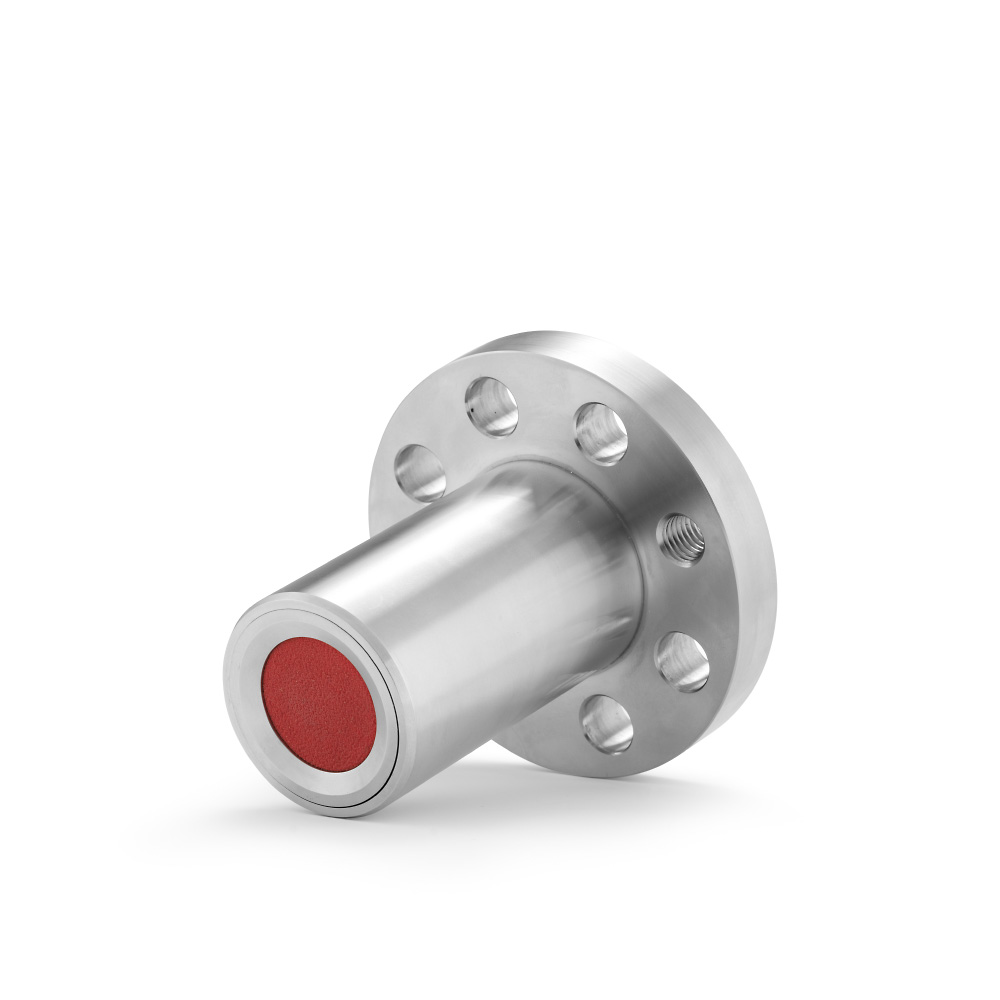
- Choose connections that match cleaning and hygiene demands (e.g., clamp, SMS Rd60-6, DIN11851, RJT). PT600/PT60 offer a broad library of hygienic and flanged options.
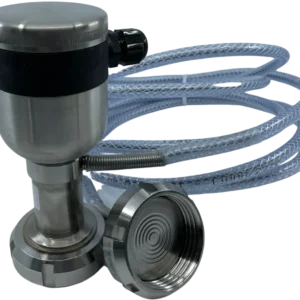
- Embossed diaphragm faces are robust against particles and can be cleaned without deformation—useful in hot-media washdowns.
Wetted materials
- Match corrosion resistance to the medium. Available diaphragms include 316L, Duplex, Hastelloy C-276, Tantalum, and gold-plated (for media where hydrogen may occur).
Measurement function
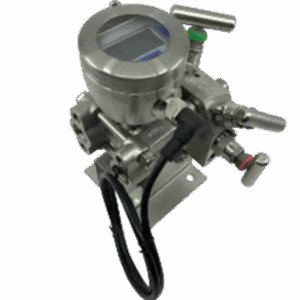
- Gauge/absolute pressure for lines and vessels (PT600). Differential pressure for filters and pressurized tanks: PT600RSH (DP) and PT60 Type T (hygienic DP).
Accuracy, range and overload
- Accuracy: 0.1 % typical; 0.075 % option on PT600. Turn-down 100:1 helps cover wide process ranges with one model.
- Overload robustness (DP): PT600RSH uses a three-membrane design to protect the sensor from transient surges and overloads.
Integration and maintenance
- Outputs/comm: 4–20 mA, HART, and MODBUS/RS-485 are available.
- Autozero: Reset zero after installation or cleaning by pressing a button or shorting two pins—no extra tools.
- Lightning protection (option): Class 1 test per IEC 61643-1, 5 kA (10/350 µs). Note: not combinable with Ex ia options.
Recommended Pondus configurations (examples)
- Hot media line pressure (gauge/absolute):
Consider PT600 with a hygienic clamp or SMS connection, Hastelloy C-276 diaphragm for aggressive CIP/SIP, and HART for asset integration. Rated 150 °C continuous media, low total temperature drift, and 100:1 turndown.
- Hygienic tank level under pressure (DP):
PT60 type T is a hygienic differential transmitter designed for pressurized tanks with minus-side capillary, also rated for 150 °C media and compatible with standard hygienic fittings.
- Process DP across hot filters/heat exchangers:
PT600RSH DP offers high single/double-sided overload protection (up to 150 bar), HART/MODBUS, and optional local display; ideal where hot differentials and surges occur.
Installation tips to protect accuracy at high temperature
- Keep electronics cooler than the process. Use available bodies/housings and mounting orientations that distance the electronics from heat sources; PT600’s stainless, IP67 housings help in hot, washdown areas.
- Zero after thermal stabilization. Once piping and the transmitter reach operating temperature, use Autozero to remove mounting/thermal offsets.
- Select proper diaphragm material (e.g., Hastelloy or Tantalum) for hot, corrosive media; consider gold-plating where hydrogen can be present.
- Plan for lightning/EMC if installations are exposed; consider the factory-integrated protection option.
What to specify when you contact us
- Pressure type (gauge/absolute/differential) and range
- Continuous media temperature and cleaning regime (CIP/SIP, steam)
- Process connection standard (clamp, SMS, DIN11851, flange, etc.)
- Wetted material requirements (316L, Hastelloy C-276, Tantalum, gold-plated)
- Output/communication (4–20 mA, HART, MODBUS) and any Ex/EMC needs
Conclusion & next step
High-temperature applications demand transmitters that genuinely handle the heat, resist drift, and integrate cleanly. Pondus’ PT600, PT600RSH (DP) and PT60 Type T provide 150 °C continuous media capability with hygienic connections, stable electronics, and service tools like Autozero to simplify upkeep.
Have more questions or need guidance on choosing the right pressure transmitter? Get in touch with Pondus Instruments, and we’ll help you find the solution that best fits your needs.