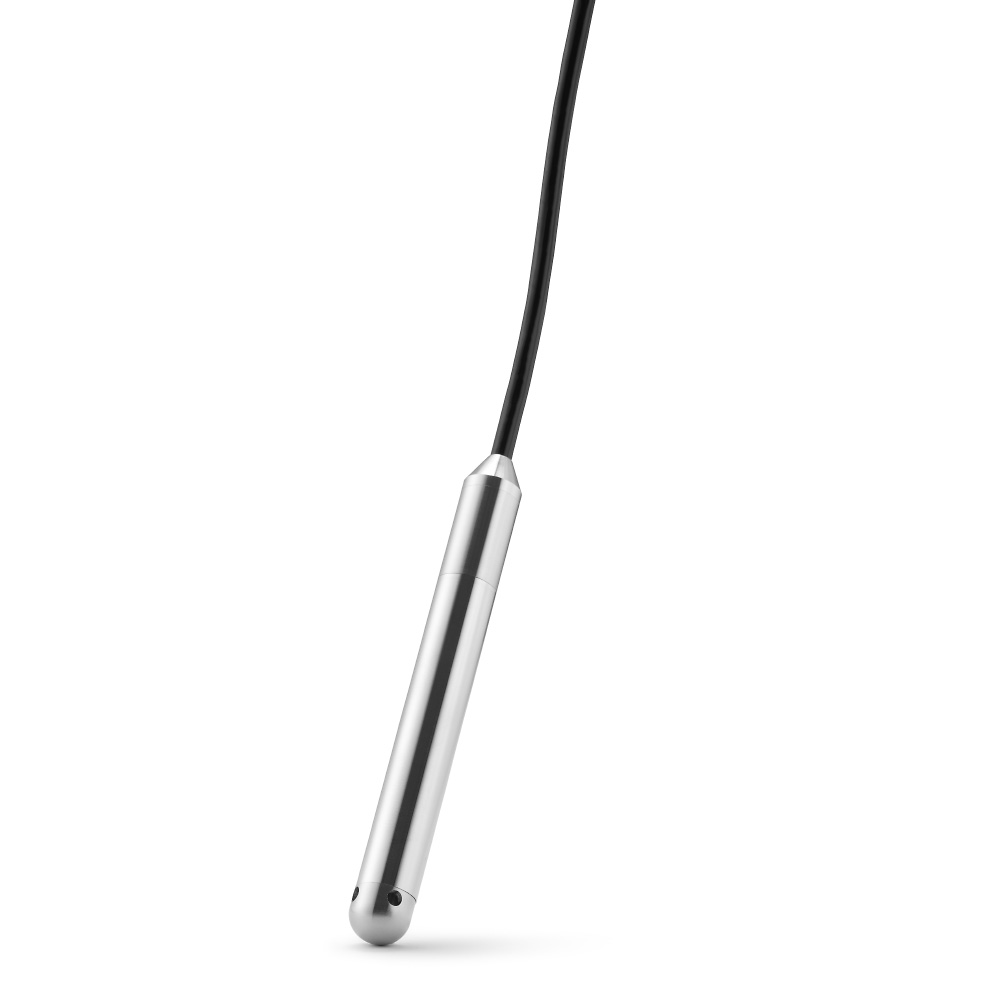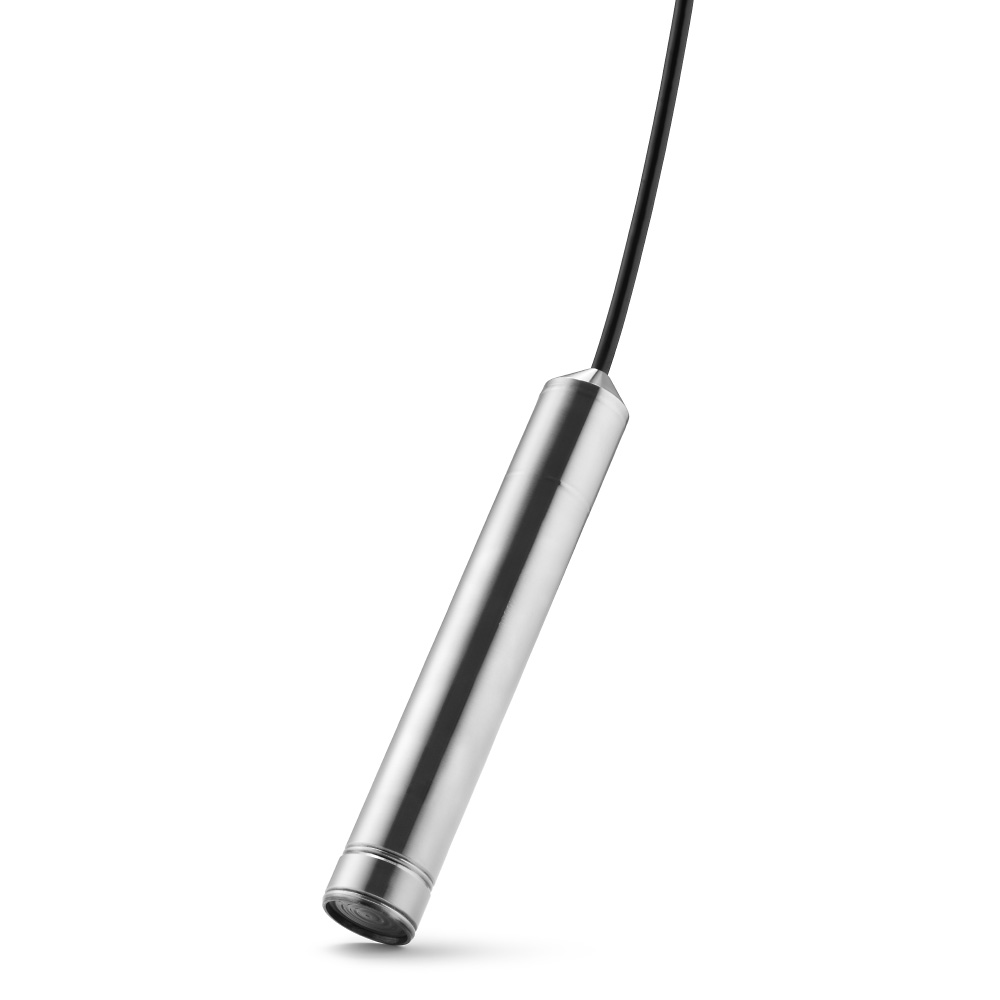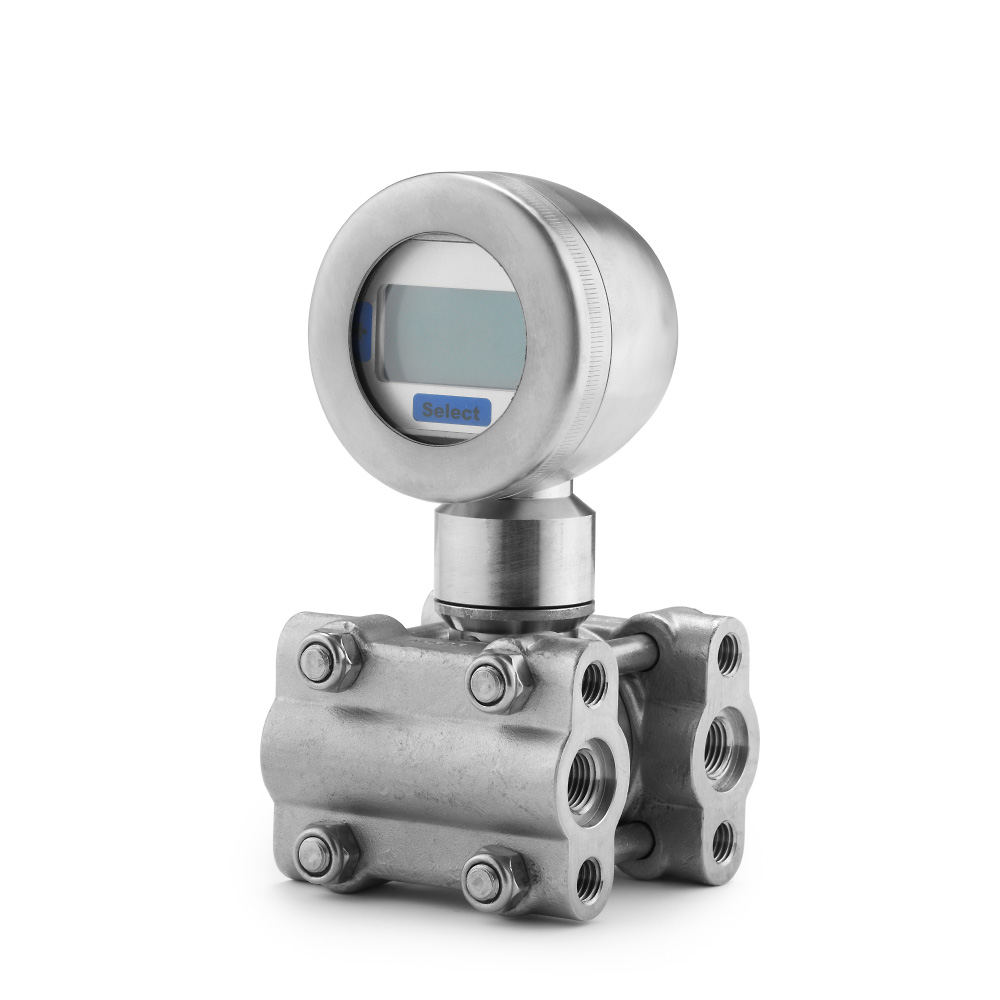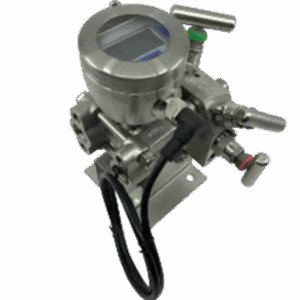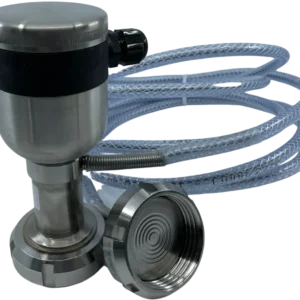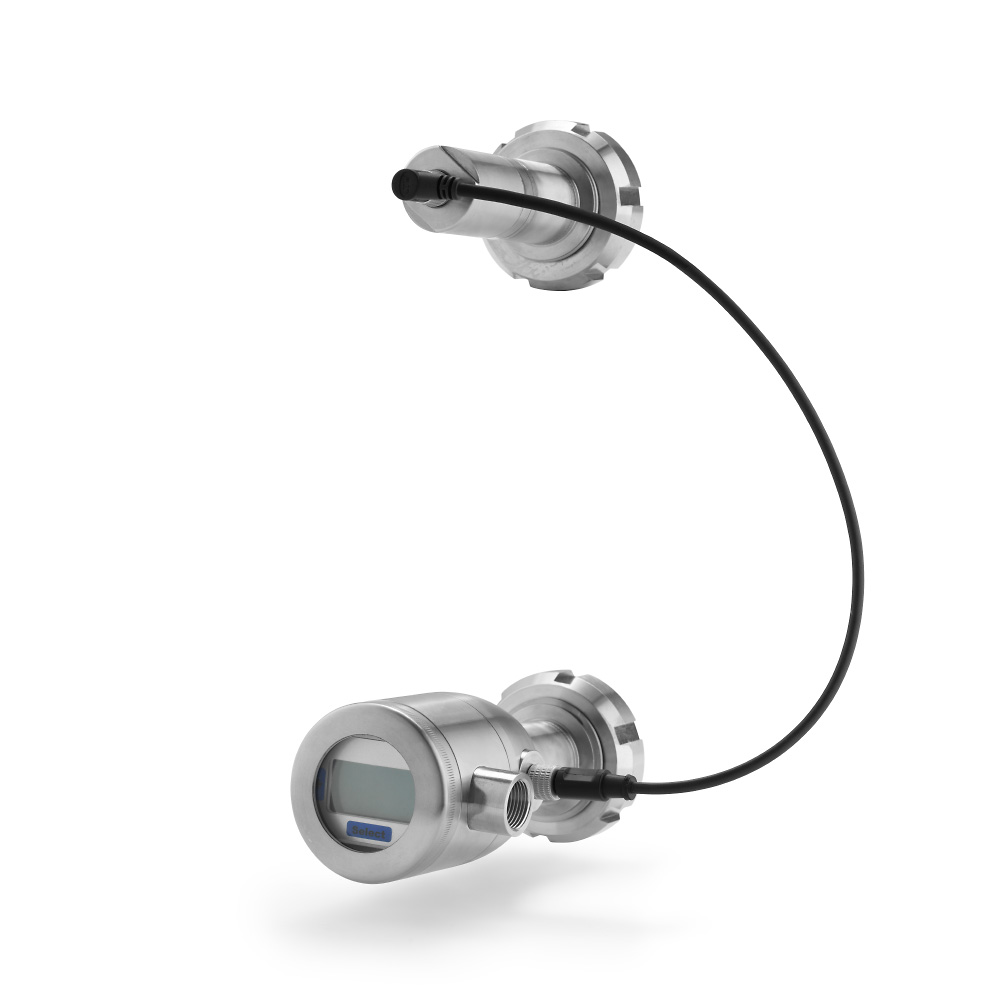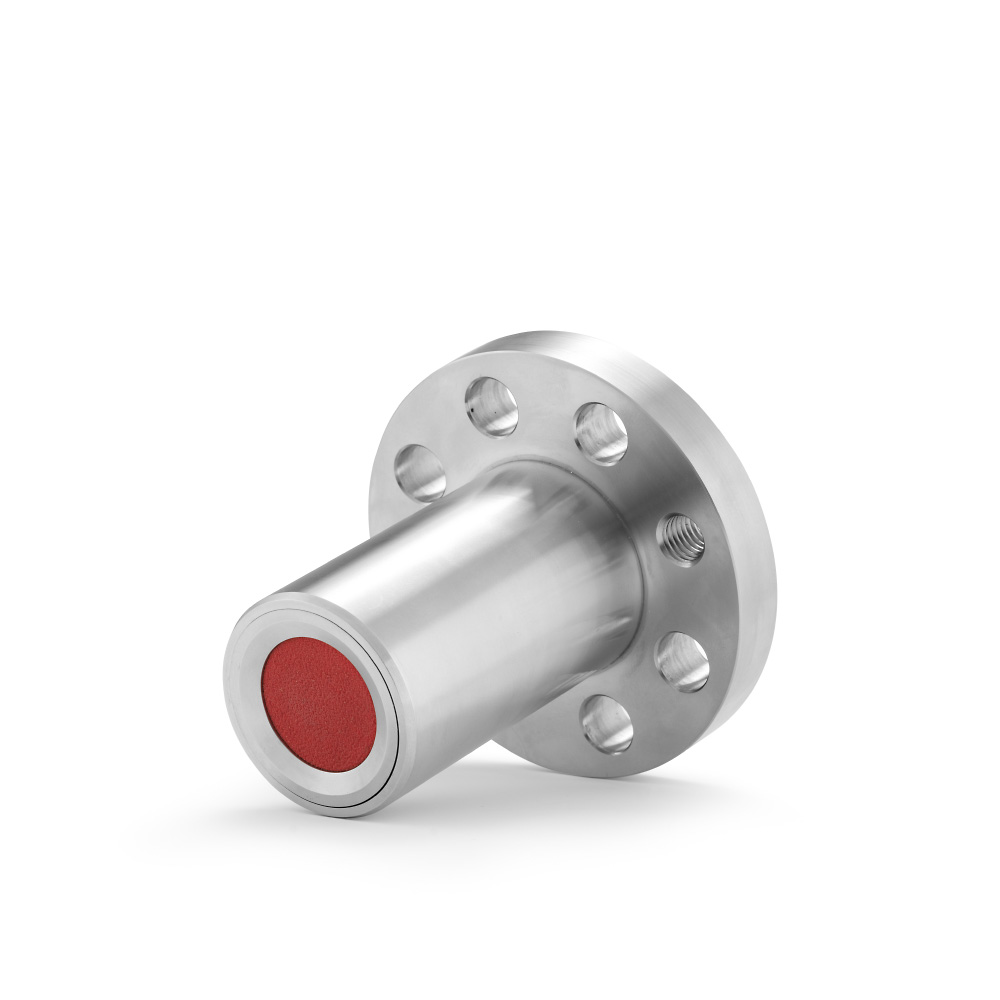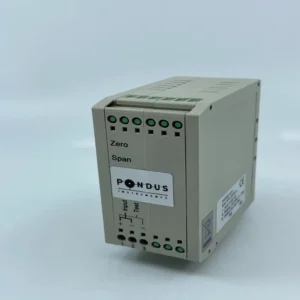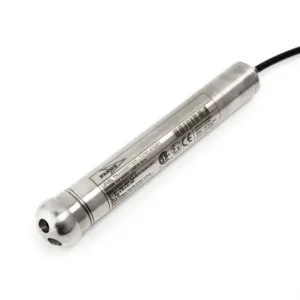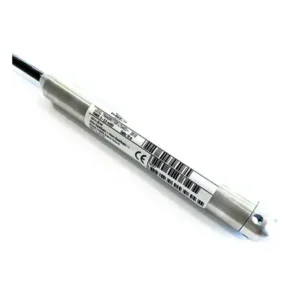
A pressure sensor is a device that detects and measures the pressure of gases or liquids, converting this pressure into an electrical signal that can be read and processed by control systems. In industrial use, such as with Pondus Instruments’ products, pressure sensors are essential for monitoring and controlling processes involving fluids, steam, or gases, ensuring safety, efficiency, and precision.
How pressure sensors work
Pressure sensors typically rely on a sensitive element—such as a piezoresistive, capacitive, or strain-gauge-based diaphragm—that deforms when exposed to pressure. This deformation changes an electrical property (resistance, capacitance, or inductance), which is measured and converted into a pressure reading. In modern designs, such as the (“PT600″linkhere) or (“PT03RS”linkhere), microprocessor-based electronics handle signal processing, temperature compensation, and communication.
Types of pressure sensors
- Gauge pressure sensors – Measure pressure relative to atmospheric pressure (0 bar = ambient air pressure).
- Absolute pressure sensors – Measure pressure relative to a perfect vacuum.
- Differential pressure sensors – Measure the difference between two pressure points, often used for flow measurement and filtration monitoring.
Key considerations
When selecting a pressure sensor, you should consider:
- Media compatibility – The diaphragm material must withstand the measured medium (e.g., stainless steel, Hastelloy, titanium).
- Pressure range – Matching the sensor’s range to your application ensures accuracy and durability.
- Temperature range – Sensors like the PT600 can handle media up to 150 °C continuously.
- Accuracy and stability – Industrial applications may require high precision (e.g., ±0.1% FS).
- Environmental protection – IP67-rated designs resist dust and moisture ingress.
- Special functions – Innovative features such as Autozero make it possible to quickly reset the zero point after cleaning or maintenance.
- Communication protocols – Modern transmitters may support 4–20 mA, HART, or MODBUS for integration into control systems.
Common industrial applications
Pondus Instruments’ pressure sensors are used in:
- Process industries – Chemical, food, pharmaceutical.
- Water and wastewater – Level and flow monitoring.
- Marine and offshore – Corrosion-resistant designs.
- Tunneling machines – Monitoring earth pressure balance in TBMs.
- Energy and power plants – Steam, gas, and hydraulic systems.
Conclusion and next steps
Pressure sensors are a cornerstone of modern process control, enabling precise monitoring of fluid and gas systems. Selecting the right sensor involves matching materials, pressure range, and features to your application’s demands.
Have more questions or need guidance on choosing the right pressure transmitter? Get in touch with Pondus Instruments, and we’ll help you find the solution that best fits your needs.