What is a sensor?
At its core, a sensor senses a change in a process variable (e.g., pressure) and produces a proportional electrical signal, such as a 4–20 mA current loop, a digital MODBUS output, or HART communication signal. The signal can then be interpreted by a control system or display.
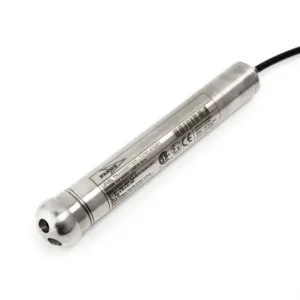
In pressure transmitters, the sensing element is often based on piezoresistive technology, where pressure applied to a diaphragm is transmitted via a fluid (like silicone oil) to a piezoresistive chip. This chip changes resistance as it deforms, which is then converted into an electrical signal.
Types of sensors in pressure transmitters
- Gauge pressure sensors: Measure pressure relative to atmospheric pressure.
- Absolute pressure sensors: Measure pressure relative to a perfect vacuum.
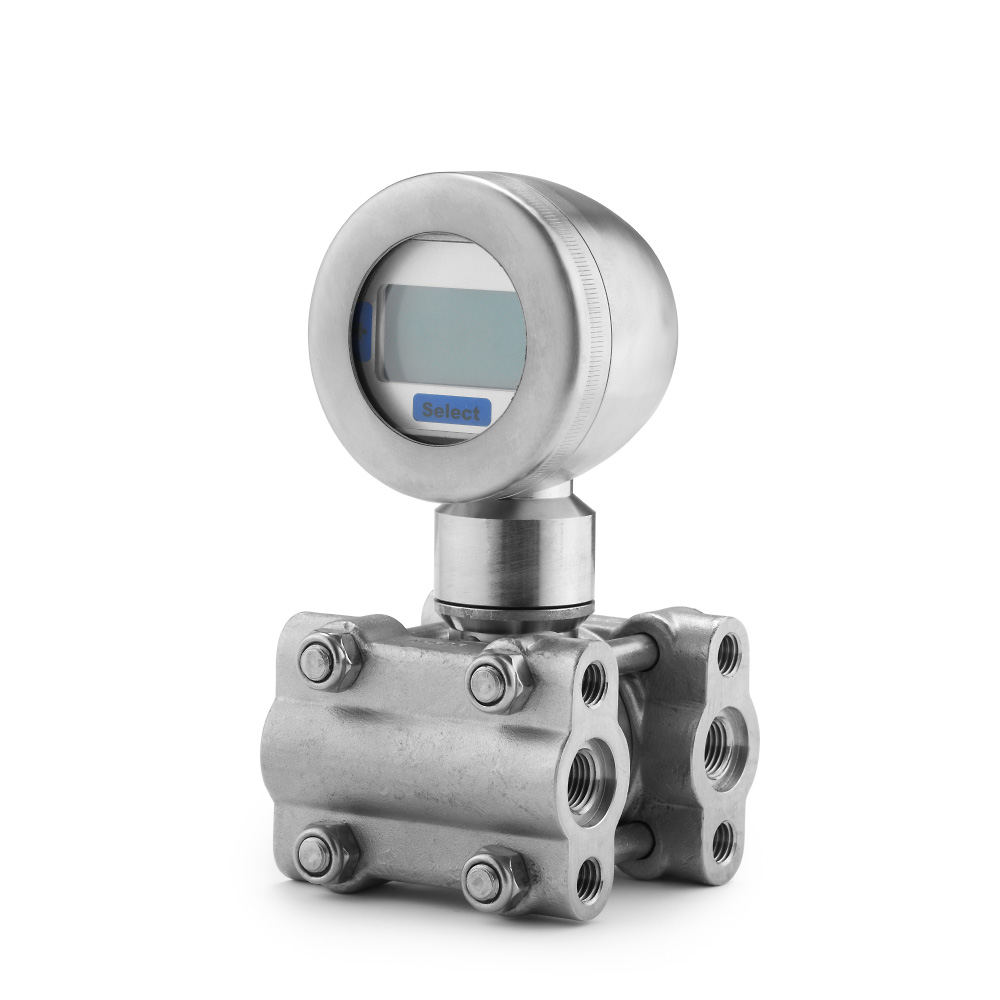
- Differential pressure sensors: Measure the difference between two pressure points.
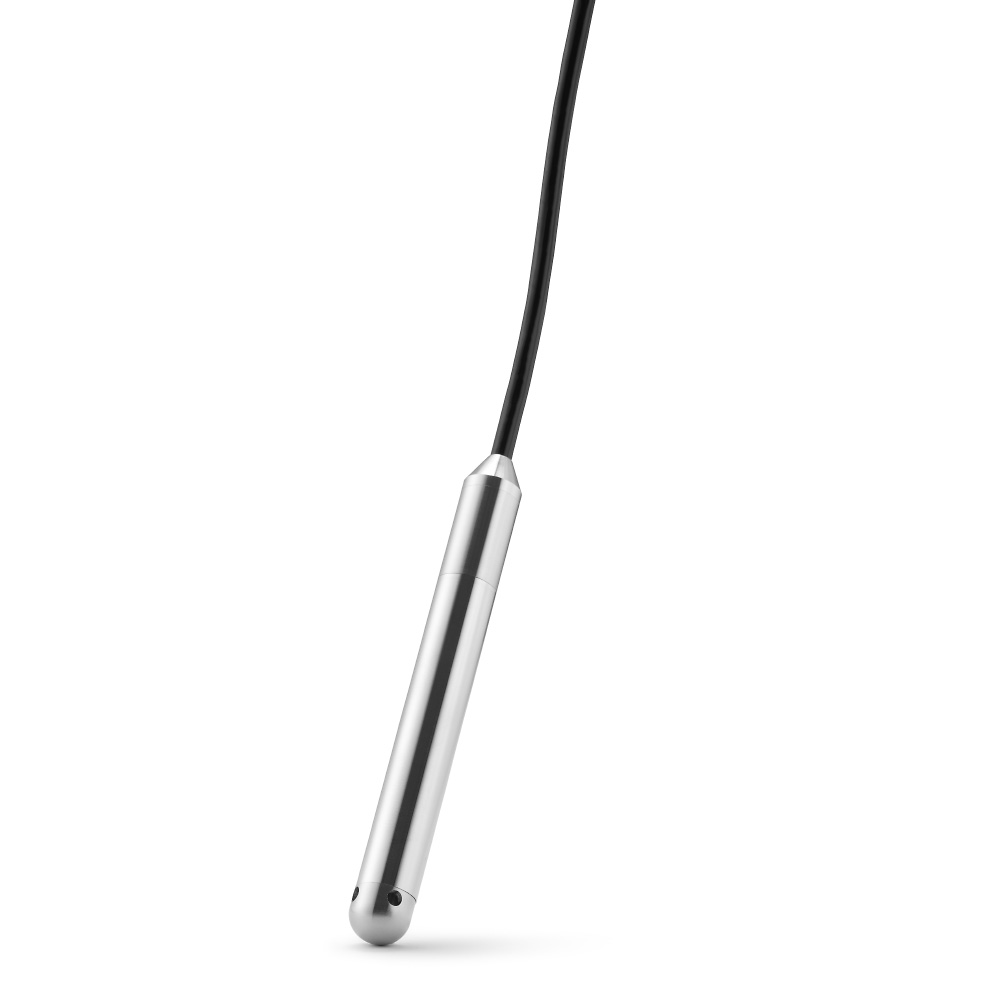
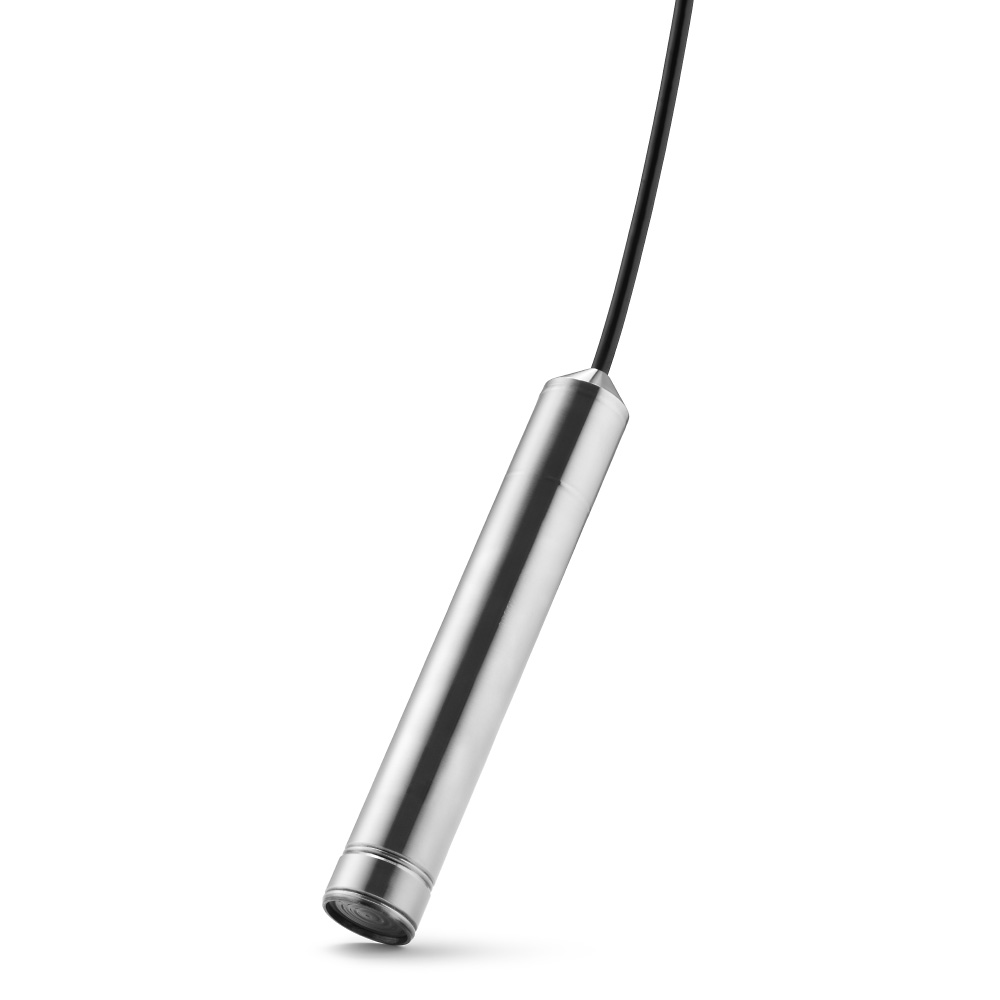
- Level sensors: Use pressure at a known depth to infer liquid level.
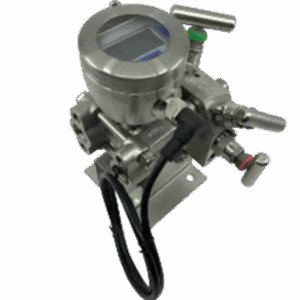
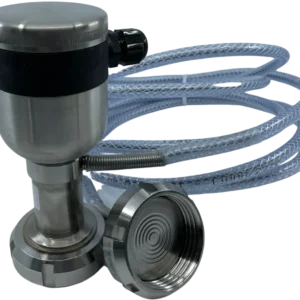
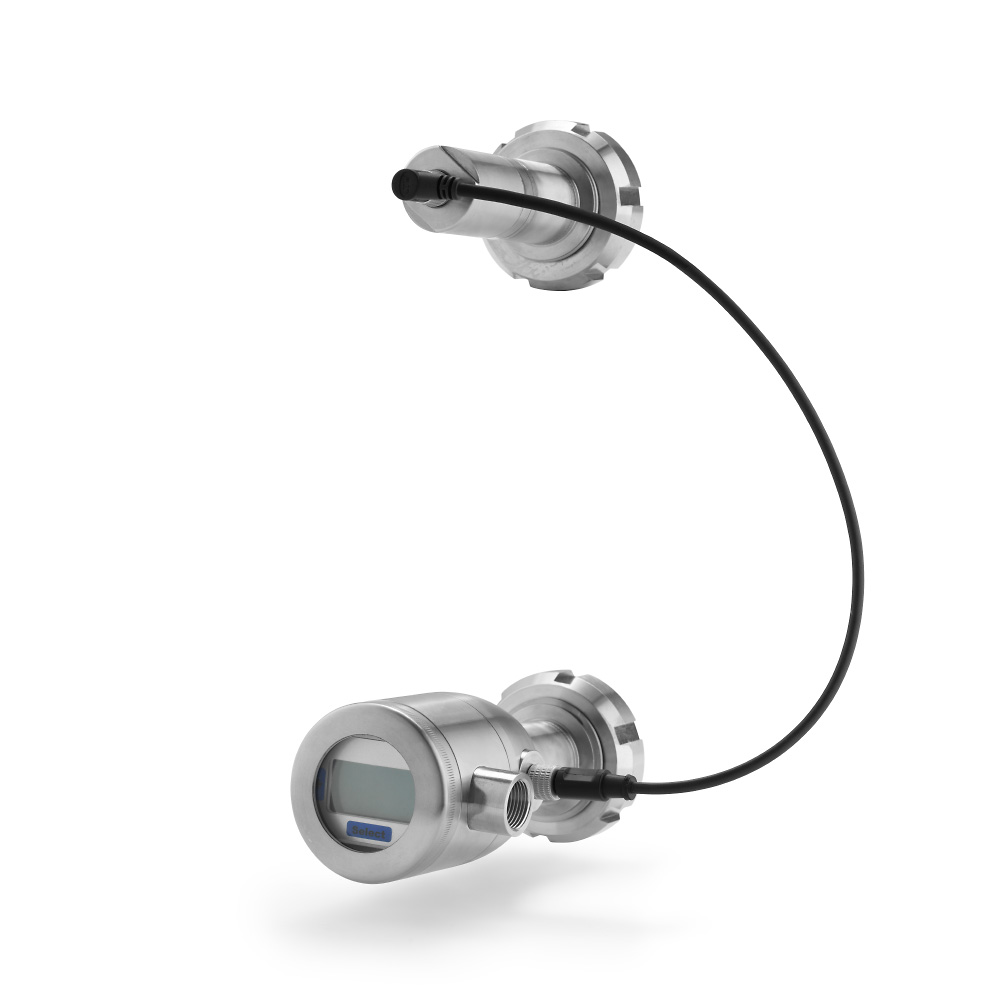
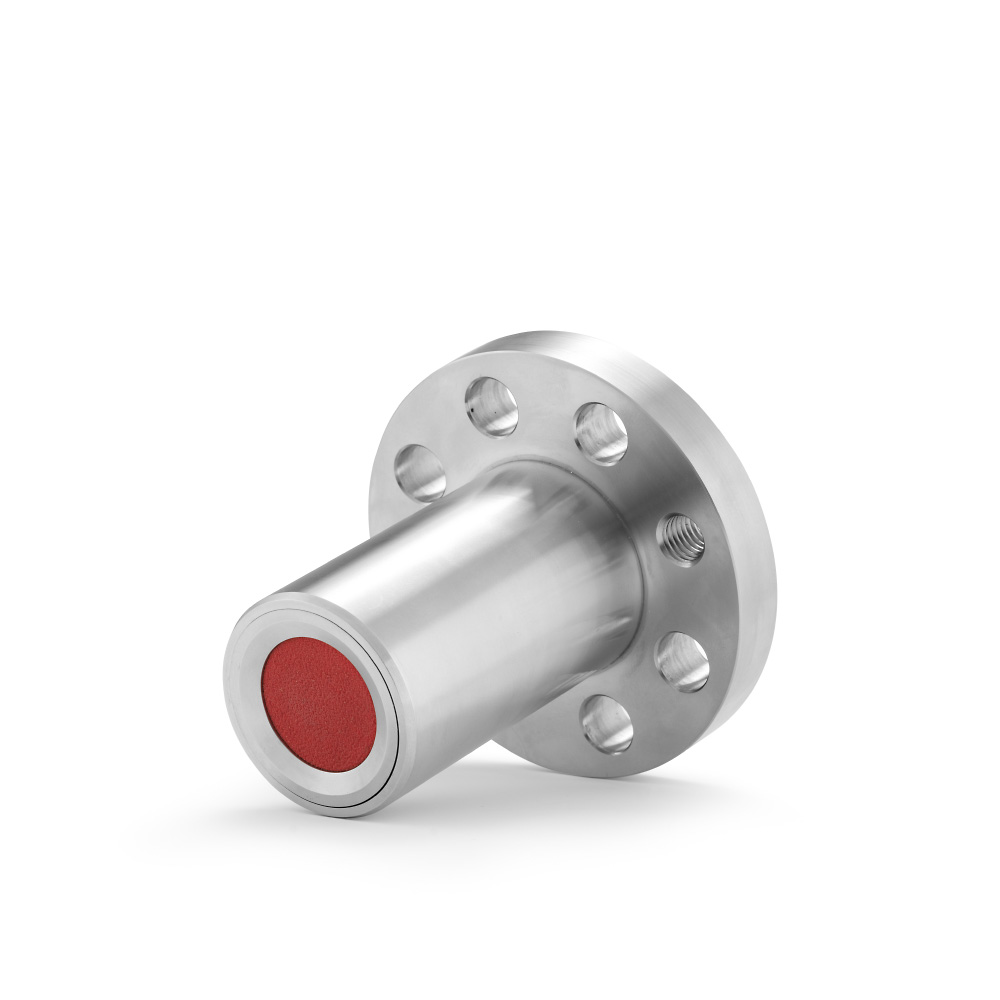
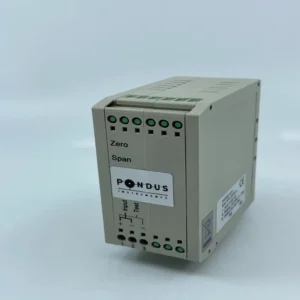
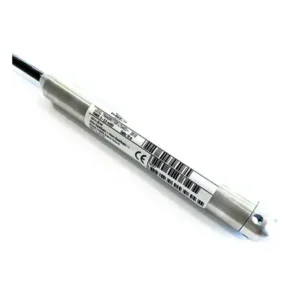
For example, the Pondus Instruments (“PT600” series) pressure transmitters use a piezoresistive sensor encapsulated in stainless steel with options for different diaphragms, and can measure gauge, absolute, or differential pressure with high accuracy.
Why is sensor quality important?
Sensors must be:
- Accurate and stable over time
- Resistant to temperature effects and mechanical shocks
- Suitable for the media they contact (using appropriate diaphragm materials)
- Easy to maintain and calibrate (many Pondus sensors include an Autozero feature for quick recalibration)
For demanding applications, such as those in food, pharmaceutical, or marine environments, sensors must also meet hygienic design standards and withstand cleaning procedures.
Example applications
Pondus Instruments sensors are used in:
- Tunneling machines to measure earth pressure
- Sanitary processes in the food and beverage industry
- Water and wastewater treatment plants
- Marine and offshore applications
Conclusion and call-to-action
In summary, a sensor is a key element of any measurement system, translating physical process changes into actionable signals. High-quality sensors ensure process efficiency, product quality, and operational safety.
Have more questions or need guidance on choosing the right pressure sensor or transmitter? Get in touch with Pondus Instruments, and we’ll help you find the solution that best fits your needs.