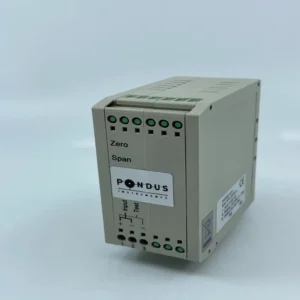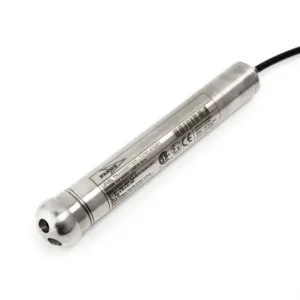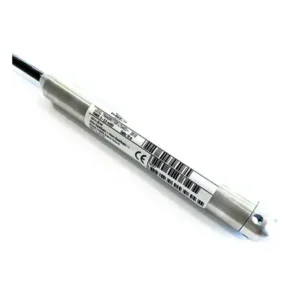
A transducer is a device that converts one form of energy or physical quantity into another. In industrial measurement, this usually means converting pressure, temperature, force, level or flow into an electrical signal that can be read, monitored and controlled.
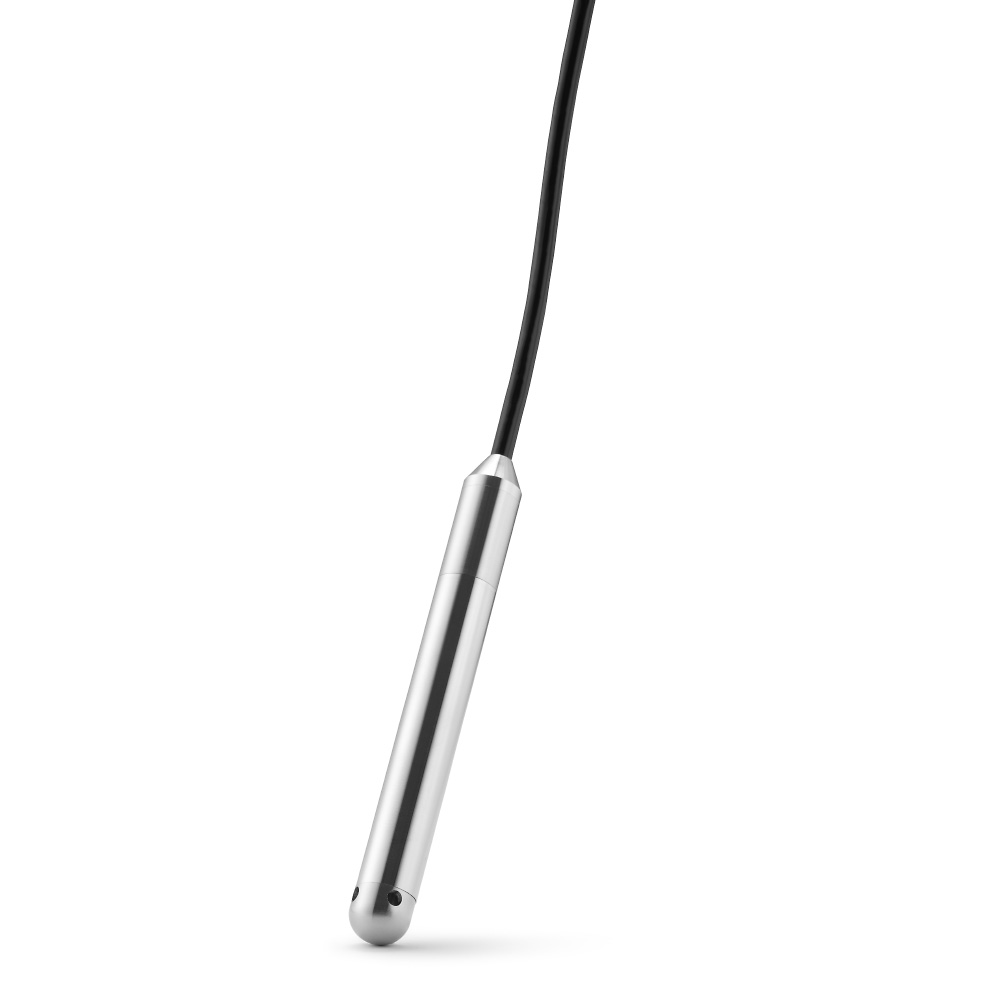
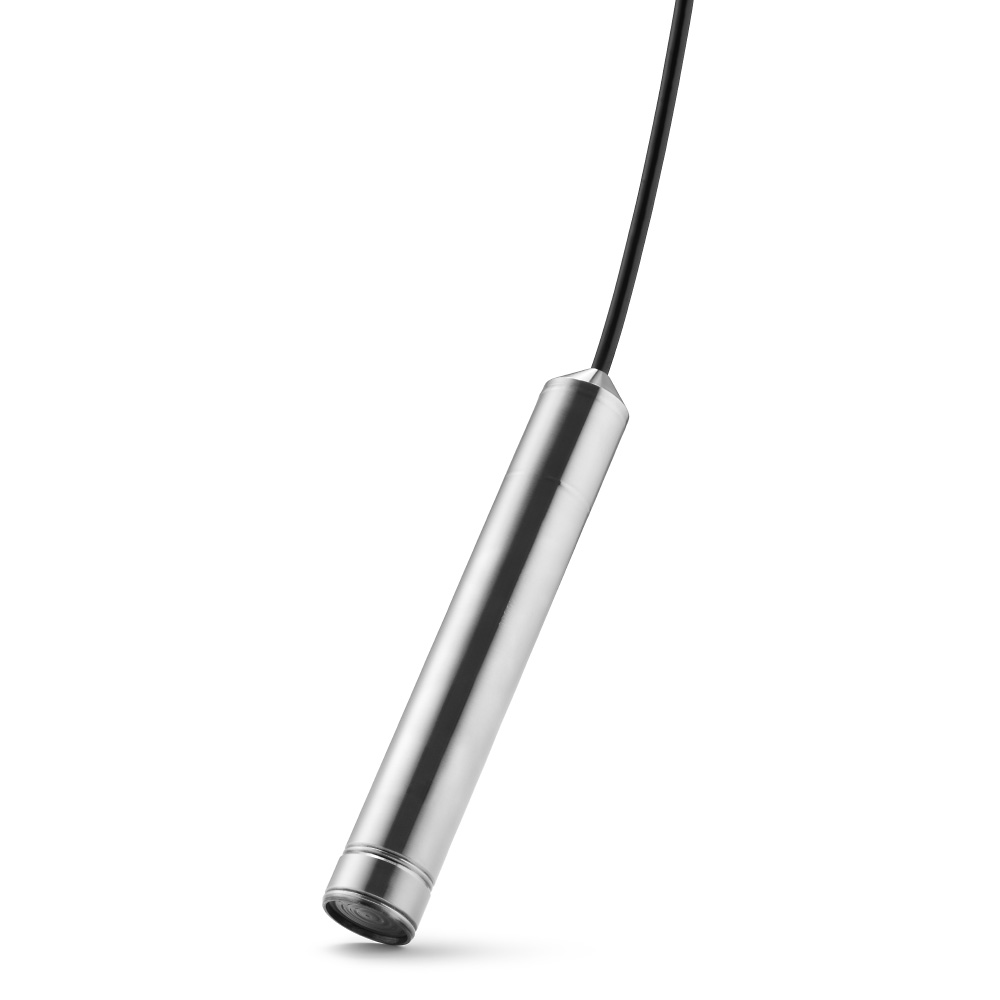
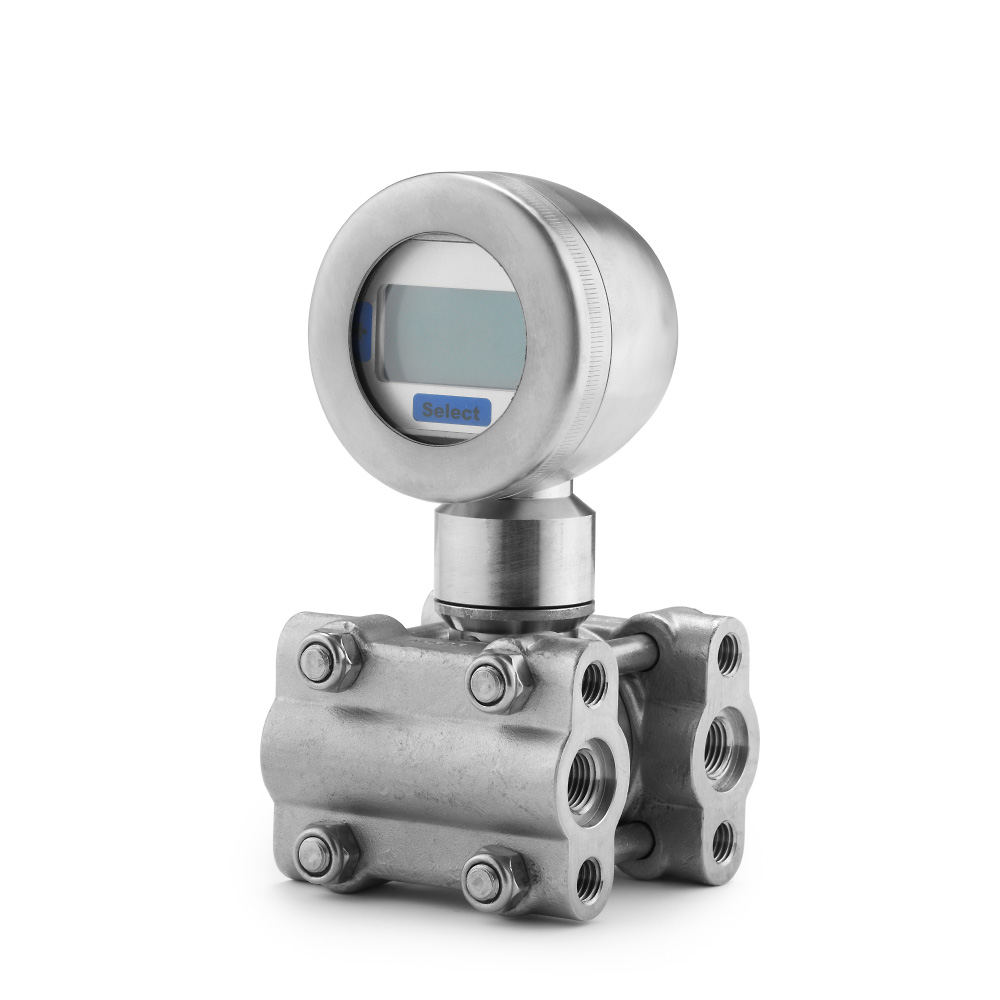
A pressure transducer is a specific type of transducer that converts gas or liquid pressure into an electrical output. This makes it possible for control systems, displays, data loggers and PLCs to measure pressure accurately in real time.
Pressure transducers are used in many industries, including process control, water treatment, hydraulics, automotive systems, aerospace, food production, pharmaceuticals and marine applications. They are essential wherever pressure must be measured, monitored or controlled safely and reliably.
How does a transducer work?
A transducer works by detecting a physical quantity and converting it into a signal that can be measured or used by another system.
In simple terms:
Physical input → sensing element → signal conversion → electrical output
For example, a temperature transducer converts temperature into an electrical signal. A force transducer converts force into an electrical signal. A pressure transducer converts pressure into an electrical signal.
In pressure measurement, the physical input is the pressure from a gas or liquid. The pressure acts on a sensing element inside the transducer, which creates a small mechanical or electrical change. This change is then converted into a usable output signal, such as 4–20 mA, 0–10 V, HART, MODBUS or CAN.
How does a pressure transducer work?
A pressure transducer works by converting mechanical pressure into an electrical signal. This is usually done with a diaphragm, a sensing element and signal conditioning electronics.
When pressure is applied to the transducer, it reaches a diaphragm inside the device. The diaphragm is a thin, flexible component that moves or deforms slightly when exposed to pressure. This deformation is extremely small, but it can be accurately measured by the sensing element.
The sensing element then converts the diaphragm movement into an electrical change. Depending on the transducer type, this may be a change in resistance, capacitance, charge or voltage.
The internal electronics amplify, filter and compensate the signal before sending it as a standardized output to a control system, display or monitoring device.
Pressure transducer working principle step by step
1. Pressure is applied
The process medium, such as gas, water, oil or another liquid, applies pressure to the process connection of the transducer.
2. The diaphragm reacts
Inside the pressure transducer, the pressure acts on a diaphragm. As pressure increases or decreases, the diaphragm deflects slightly.
3. The sensing element detects the change
A sensing element measures the movement or deformation of the diaphragm. This element may be based on strain gauge, piezoresistive, capacitive or piezoelectric technology.
4. The mechanical change becomes an electrical signal
The sensing element converts the physical pressure change into a small electrical signal.
5. The signal is conditioned
The internal electronics amplify, linearize and compensate the signal. Temperature compensation is often used to improve accuracy in changing environments.
6. The output signal is sent
The pressure transducer sends the final signal to a PLC, control system, display, data logger or monitoring system. Common outputs include 4–20 mA, 0–10 V, HART, MODBUS and CAN.
Main components of a pressure transducer
A pressure transducer usually consists of four main parts:
Diaphragm
The diaphragm is the part of the transducer that comes into contact with pressure. It bends or deforms when pressure is applied. The material and design of the diaphragm are important for accuracy, durability and media compatibility.
Sensing element
The sensing element detects the diaphragm movement and converts it into an electrical change. Different technologies are used depending on the application, pressure range and required accuracy.
Signal conditioning electronics
The electronics convert the raw sensor signal into a stable and usable output. This may include amplification, filtering, linearization and temperature compensation.
Output interface
The output interface sends the signal to external equipment. This can be an analog signal such as 4–20 mA or 0–10 V, or a digital communication signal such as HART, MODBUS or CAN.
Types of pressure transducers
Different pressure transducer technologies are used depending on the application, pressure range, accuracy requirements and environment.
Strain gauge pressure transducers
Strain gauge pressure transducers use strain gauges attached to a diaphragm. When pressure causes the diaphragm to deform, the strain gauges change resistance. This change is measured and converted into an electrical signal.
Strain gauge technology is widely used in industrial applications because it is reliable, accurate and suitable for many pressure ranges.
Piezoresistive pressure transducers
Piezoresistive pressure transducers use a sensing element where resistance changes when mechanical stress is applied. This principle is commonly used in compact and accurate pressure sensors.
They are often used in applications where high sensitivity and good accuracy are required.
Capacitive pressure transducers
Capacitive pressure transducers measure pressure by detecting a change in capacitance. When pressure moves the diaphragm, the distance between two internal surfaces changes, which changes the capacitance.
This type of transducer can be useful for low-pressure applications and applications where high sensitivity is needed.
Piezoelectric pressure transducers
Piezoelectric pressure transducers generate an electrical charge when pressure or force is applied to a piezoelectric material.
They are often used for dynamic pressure measurements, fast pressure changes, vibration and shock measurement. However, they are usually less suitable for static pressure measurement over long periods.
Common pressure transducer output signals
The output signal is an important part of how a pressure transducer works in a real system. The correct output depends on the control system, cable length, environment and required communication type.
mV/V output
A millivolt output is a low-level signal directly related to the sensor bridge. It is often used in applications where the signal is processed by separate instrumentation.
0–5 V or 0–10 V output
Voltage outputs are simple and common in many control systems. A 0–10 V signal, for example, represents the pressure range from minimum to maximum pressure.
4–20 mA output
4–20 mA is one of the most common industrial output signals. It is robust, reliable and suitable for long cable distances and electrically noisy environments.
In a typical setup, 4 mA represents the lowest pressure value and 20 mA represents the highest pressure value.
HART communication
HART combines a 4–20 mA analog signal with digital communication. This allows the transducer or transmitter to provide additional diagnostic and configuration data.
MODBUS, RS-485 and CAN
Digital outputs such as MODBUS, RS-485 and CAN are used when pressure data needs to be integrated into more advanced automation, monitoring or control systems.
Pressure sensor vs pressure transducer vs pressure transmitter
The terms pressure sensor, pressure transducer and pressure transmitter are sometimes used interchangeably. However, there are useful differences.
| Term | Meaning | Typical output |
| Pressure sensor | Detects pressure using a sensing element | Raw or low-level signal |
| Pressure transducer | Converts pressure into an electrical signal | mV, V, mA or digital signal |
| Pressure transmitter | Conditions and transmits a standardized signal | Often 4–20 mA, HART or MODBUS |
A simple way to understand the difference is:
A pressure sensor detects pressure.
A pressure transducer converts pressure into an electrical output.
A pressure transmitter sends a conditioned and standardized signal to a control system.
In many industrial applications, the device may include all these functions in one unit.
Where are pressure transducers used?
Pressure transducers are used wherever pressure needs to be measured, controlled or monitored.
Common applications include:
Process control
Pressure transducers are used in industrial processes to monitor pressure in pipes, tanks, reactors and production equipment.
Water and wastewater
They are used to measure water pressure, pump pressure, tank level and system performance in water treatment and wastewater systems.
Hydraulic systems
Hydraulic applications require reliable pressure measurement to ensure safe and efficient operation.
Pneumatic systems
Pressure transducers are used to monitor compressed air systems and pneumatic equipment.
Marine applications
In marine environments, pressure transducers can be used for level measurement, pump monitoring and process control.
Food and pharmaceutical production
Pressure measurement is important in hygienic production environments where accuracy, reliability and cleanability are essential.
Automotive and aerospace
Pressure transducers are used in testing, monitoring and control systems where performance and safety are critical.
How to choose the right pressure transducer
Choosing the right pressure transducer depends on both the measurement task and the operating environment.
Important factors include:
Pressure range
The transducer must match the expected pressure range. It should handle the normal working pressure as well as possible pressure peaks.
Pressure type
Decide whether the application requires gauge pressure, absolute pressure or differential pressure measurement.
Media compatibility
The wetted parts must be compatible with the gas or liquid being measured. This is especially important for aggressive, viscous, hygienic or high-temperature media.
Accuracy
Different applications require different accuracy levels. A high-precision process may need a more accurate transducer than a basic monitoring application.
Output signal
The output must match the control system. Common options include 4–20 mA, 0–10 V, HART, MODBUS and CAN.
Temperature
Both process temperature and ambient temperature can affect performance. Temperature compensation may be important in demanding environments.
Environment
Consider vibration, moisture, dust, electrical noise, outdoor installation, lightning protection and mechanical stress.
Process connection
The process connection must fit the installation. Thread type, sealing method and material should be selected carefully.
Pressure transducers from Pondus Instruments
Pondus Instruments offers pressure measurement solutions for demanding industrial applications. Our pressure transducers and transmitters are designed to provide reliable pressure measurement in environments where accuracy, durability and process safety are important.
Depending on the application, Pondus can help you select the right pressure range, output signal, process connection and sensor type. Whether you need pressure measurement for process control, tank level, hydraulics, marine applications or industrial automation, choosing the right transducer is essential for long-term performance.
Explore our pressure measurement products or contact us for help selecting the right solution for your application.